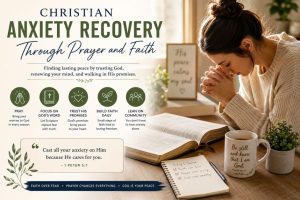

Mental health challenges affect millions of people worldwide, including faithful Christians who may struggle with anxiety, depression, grief, trauma, or emotional exhaustion. Churches are often among the first places individuals seek help, making the role of Christian counselors increasingly important. Effective faith-based mental health support strategies combine biblical truth, compassionate care, practical counseling skills, and appropriate professional referrals to promote lasting healing.
While faith provides hope and spiritual encouragement, it should not be viewed as a replacement for evidence-based mental health care. Instead, Christian mental health counseling recognizes that emotional well-being involves the mind, body, and spirit. By integrating Scripture, prayer, active listening, and ethical counseling practices, Christian counselors can provide meaningful support while encouraging individuals to seek additional professional care when necessary.
This guide explores practical faith-based counseling strategies that help Christian counselors minister with wisdom, compassion, and biblical integrity while supporting emotional and spiritual restoration.
What Are Faith-Based Mental Health Support Strategies?
Faith-based mental health support strategies are Christ-centered approaches that help individuals navigate emotional and psychological challenges through biblical principles, compassionate counseling, and practical mental health support. These strategies encourage healing by addressing spiritual needs while recognizing the importance of emotional health and professional treatment when appropriate.
Unlike counseling that focuses solely on emotional symptoms, biblical mental health support helps individuals discover hope through God’s Word while learning healthy coping skills that strengthen emotional resilience.
Why Christian Counseling Matters
Christian counselors provide more than advice. They offer a safe environment where individuals can openly discuss emotional struggles without fear of judgment. Whether someone is experiencing anxiety, depression, trauma, or relationship difficulties, Christian mental health counseling helps connect biblical truth with practical life application.
Counselors also remind individuals that emotional struggles do not reflect weak faith. Throughout Scripture, faithful believers experienced grief, fear, discouragement, and suffering, yet God remained present with them during every season.
Faith Complements Professional Mental Health Care
An important aspect of faith and mental wellness is understanding that spiritual care and professional mental health services can work together. Licensed therapists, physicians, psychologists, and psychiatrists provide valuable treatment for many mental health conditions, while Christian counseling offers spiritual encouragement rooted in biblical truth.
Healthy counseling recognizes its limitations and encourages referrals whenever specialized medical or psychological care is needed.
Biblical Foundations for Mental Health Support
The Bible consistently reveals God’s compassion toward those experiencing emotional pain. Throughout Scripture, individuals cried out during seasons of fear, grief, loneliness, and suffering, and God responded with comfort, guidance, and hope.
God’s Compassion for Emotional Pain
God never ignores emotional suffering. His love extends to those experiencing brokenness, reminding believers they are never abandoned during life’s most difficult moments.
Christian counselors can reassure individuals that emotional pain does not separate them from God’s love. Instead, God invites His children to bring every burden before Him through prayer, trust, and honest conversation.
Prayer Brings Comfort and Peace
Prayer is more than requesting solutions. It creates an opportunity for believers to experience God’s presence during seasons of emotional distress. Honest prayer allows individuals to express fear, sadness, confusion, and hope while building deeper trust in God’s faithfulness.
Although prayer does not instantly remove every struggle, it often strengthens emotional resilience and encourages peace during uncertainty.
Scripture Renews the Mind
Daily Scripture reading plays a valuable role in Christian emotional healing. Biblical truth replaces fear with hope, discouragement with encouragement, and uncertainty with confidence in God’s promises.
Christian counselors should encourage individuals to meditate on passages that emphasize God’s faithfulness, peace, comfort, and unfailing love while avoiding the misuse of Scripture that may unintentionally minimize emotional pain.
Understanding Common Mental Health Challenges
Effective faith-based mental health support strategies begin with understanding the emotional struggles individuals commonly experience.
Anxiety
Anxiety often produces excessive worry, racing thoughts, restlessness, difficulty sleeping, and physical tension. Christian counselors can help individuals identify anxious thinking while encouraging healthy coping strategies, prayer, and practical problem-solving.
Teaching relaxation techniques alongside biblical encouragement promotes balanced Christian therapy support that addresses both emotional and spiritual needs.
Depression
Depression extends beyond temporary sadness. It may include persistent hopelessness, fatigue, loss of motivation, social withdrawal, and difficulty enjoying daily life.
Christian counselors should avoid suggesting that depression results solely from weak faith. Instead, compassionate care recognizes the complexity of depression while offering biblical hope and encouraging professional treatment when appropriate.
Trauma and PTSD
Trauma affects emotional, physical, and spiritual well-being. Individuals may experience intrusive memories, emotional numbness, panic, hypervigilance, or recurring fear after traumatic events.
Providing trauma-informed counseling means creating a safe environment where individuals can process painful experiences without pressure or judgment.
Christian counselors should carefully support trauma survivors while recognizing when specialized trauma therapy is necessary.
Grief and Loss
Grief follows many forms of loss, including death, divorce, illness, unemployment, or broken relationships.
Rather than rushing individuals through grief, effective faith-based counseling strategies allow space for honest emotions while gently pointing people toward hope found in Christ.
Stress and Burnout
Many individuals—including ministry leaders and caregivers—experience overwhelming stress that eventually leads to burnout.
Counselors can encourage healthy routines that include rest, prayer, boundaries, exercise, supportive relationships, and regular time with God. These habits strengthen emotional wellness while reducing the long-term effects of chronic stress.
Essential Faith-Based Mental Health Support Strategies
Providing effective support requires more than quoting Bible verses. Faith-based counseling strategies combine biblical wisdom with compassionate communication and evidence-informed counseling practices.
Practice Active Listening
One of the most powerful counseling skills is listening without interruption or judgment. Active listening helps individuals feel understood and respected while creating trust throughout the counseling relationship.
Maintaining eye contact, asking thoughtful questions, and reflecting emotions back to the individual encourages deeper conversations and stronger therapeutic relationships.
Build Trust Through Compassion
Trust develops gradually through consistency, empathy, confidentiality, and genuine concern.
Christian counselors who demonstrate patience and understanding often create an environment where individuals feel safe discussing painful experiences they have never shared with anyone else.
Use Scripture With Wisdom
Scripture should encourage rather than overwhelm. Carefully chosen biblical passages can strengthen faith, provide hope, and remind individuals of God’s constant presence.
Rather than offering verses as quick solutions, counselors should explain biblical truths within the context of each person’s unique situation, allowing God’s Word to bring encouragement and lasting perspective.
Trauma-Informed Christian Counseling for Emotional Healing
One of the most effective faith-based mental health support strategies is adopting a trauma-informed approach. Trauma-informed care recognizes that past experiences can significantly influence a person’s emotions, relationships, thoughts, and behaviors. Instead of asking, “What’s wrong with you?” Christian counselors learn to ask, “What has happened to you, and how can I support your healing?”
Creating emotional safety is essential. Individuals recovering from trauma need a counseling environment where they feel heard, respected, and free from judgment. Compassionate listening, patience, and empathy demonstrate Christ’s love while encouraging trust throughout the counseling process.
Christian counselors should also recognize emotional triggers, which are situations or memories that reactivate painful emotions. Helping individuals identify these triggers allows them to develop healthy coping skills rooted in both biblical truth and practical emotional regulation techniques.
Supporting Christian emotional healing means walking alongside individuals without rushing their recovery. Healing often takes time, and counselors should continually remind those they serve that God’s presence remains constant throughout every stage of restoration.
Supporting Individuals With Anxiety and Depression
Many people seeking Christian mental health counseling struggle with anxiety or depression. While these conditions affect everyone differently, Christian counselors can offer compassionate guidance that supports both emotional wellness and spiritual growth.
Recognize Warning Signs
Early recognition allows counselors to respond appropriately. Persistent sadness, excessive worry, hopelessness, withdrawal from relationships, changes in appetite, sleep disturbances, or loss of motivation may indicate deeper mental health concerns.
Understanding these symptoms enables counselors to provide appropriate biblical mental health support while recognizing when additional professional intervention is needed.
Encourage Healthy Coping Skills
Healthy coping strategies complement spiritual disciplines and promote long-term healing. Counselors can encourage individuals to:
- Maintain consistent prayer and Bible reading.
- Develop healthy sleep habits.
- Engage in regular physical activity.
- Build supportive Christian friendships.
- Practice gratitude and journaling.
- Participate in church community and worship.
- Establish healthy daily routines.
These habits strengthen faith and mental wellness while promoting emotional resilience.
Know When to Refer
Christian counselors play an important role, but they should also recognize the limits of their expertise. When individuals experience severe depression, suicidal thoughts, self-harm, psychosis, substance abuse, or persistent PTSD symptoms, referrals to licensed mental health professionals are appropriate and responsible.
Seeking additional support reflects wisdom rather than a lack of faith.
Ethical Responsibilities for Christian Counselors
Effective faith-based counseling strategies require strong ethical principles that protect both counselors and those receiving care.
Maintain Confidentiality
Confidentiality builds trust and encourages honest communication. Individuals must feel confident that personal information will remain private unless safety concerns require immediate intervention according to legal and ethical guidelines.
Establish Healthy Boundaries
Healthy boundaries protect the counseling relationship. Christian counselors should avoid unhealthy dependence while encouraging personal responsibility and spiritual growth.
Boundaries also help prevent burnout by maintaining clear expectations regarding availability, communication, and counselor responsibilities.
Practice Within Your Competence
Every counselor should recognize personal strengths and limitations. Continuing education, supervision, and collaboration with licensed professionals strengthen the quality of Christian therapy support.
When specialized care is required, making timely referrals demonstrates compassion and professionalism.
Crisis Response Strategies
Occasionally, Christian counselors encounter individuals experiencing emotional crises that require immediate attention.
Respond Calmly During Panic
When someone experiences intense anxiety or panic, remaining calm helps create emotional stability. Gentle reassurance, slow breathing exercises, and compassionate presence often reduce immediate distress.
Prayer may also provide comfort when offered respectfully and appropriately.
Recognize Suicide Risk
Any mention of suicidal thoughts should be taken seriously. Christian counselors should respond with compassion while immediately connecting individuals with licensed mental health professionals or emergency services when necessary.
Supporting life means responding promptly while ensuring individuals receive appropriate care.
Support Families During Crisis
Families often experience confusion and fear when a loved one faces a mental health crisis. Counselors can provide biblical encouragement while helping family members understand available community resources and treatment options.
Counselor Self-Care and Spiritual Renewal
Serving others requires emotional, physical, and spiritual health. Christian counselors who neglect their own well-being are more vulnerable to compassion fatigue and burnout.
Prevent Compassion Fatigue
Listening to painful stories every day can become emotionally exhausting. Regular rest, personal reflection, prayer, supervision, and healthy boundaries help counselors maintain long-term effectiveness.
Prioritize Spiritual Growth
Counselors cannot continually pour into others without nurturing their own relationship with God. Personal Bible study, worship, prayer, and fellowship strengthen spiritual maturity while preventing emotional exhaustion.
Embrace Healthy Rest
Rest is part of God’s design for human flourishing. Taking regular breaks, enjoying hobbies, spending time with family, and observing Sabbath principles contribute to emotional wellness and sustainable ministry.
Building a Mental Health-Supportive Church
Churches have tremendous opportunities to foster environments where mental health is welcomed rather than stigmatized.
Church leaders can promote mental health ministry by offering educational workshops, support groups, prayer ministries, and partnerships with qualified Christian counselors and licensed mental health professionals.
Training volunteers to recognize emotional distress also helps churches respond compassionately while encouraging individuals to seek appropriate care.
A healthy church communicates that emotional struggles do not diminish a person’s value or faith. Instead, every individual deserves compassion, dignity, and practical support.
Measuring Progress During Counseling
Healing rarely occurs overnight. Christian counselors should help individuals recognize gradual progress rather than expecting immediate transformation.
Positive signs of growth may include:
- Increased emotional resilience.
- Improved communication.
- Greater trust in God.
- Healthier coping skills.
- Stronger relationships.
- Reduced anxiety.
- Renewed hope.
- Consistent participation in church community.
- Greater confidence in God’s promises.
- Improved overall mental health recovery.
Celebrating these milestones encourages continued perseverance throughout the healing journey.
Reflection Questions for Christian Counselors
Regular self-reflection strengthens counseling effectiveness and spiritual maturity.
Ask yourself:
- Am I listening with genuine compassion?
- Am I balancing biblical encouragement with practical support?
- Do I recognize when professional referrals are necessary?
- Am I maintaining healthy boundaries?
- How am I caring for my own emotional and spiritual health?
- Am I creating a safe environment where individuals feel heard?
- How can I better reflect Christ’s love during each counseling session?
These questions encourage continuous growth while strengthening the quality of Christ-centered care provided to others.
Conclusion: Serving Others With Wisdom, Compassion, and Faith
Implementing faith-based mental health support strategies equips Christian counselors to provide compassionate, biblically grounded care while recognizing the value of professional mental health treatment. By integrating Christian mental health counseling, prayer, Scripture, ethical counseling practices, and practical emotional support, counselors help individuals move toward lasting healing and renewed hope.
Effective ministry recognizes that emotional wellness involves the whole person—mind, body, emotions, and spirit. As counselors faithfully apply faith-based counseling strategies, encourage biblical mental health support, and promote faith and mental wellness, they become instruments of God’s compassion in the lives of those facing anxiety, depression, trauma, grief, and emotional hardship.
Every conversation, prayer, and act of kindness has the potential to reflect Christ’s love. Whether offering Christian therapy support, encouraging healthy coping skills, or making appropriate referrals, Christian counselors serve an essential role in fostering emotional restoration, resilience, and hope.
If you are serving in Christian counseling or church ministry, continue growing in wisdom, compassion, and professional excellence. Share these faith-based mental health support strategies with fellow counselors, ministry leaders, and churches committed to supporting mental health through Christ-centered care. Together, we can create communities where individuals find healing, encouragement, and lasting hope through God’s grace and unfailing love.