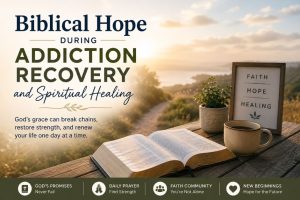

Christian Counseling for Trauma and Inner Healing offers real hope for people who carry deep emotional wounds. Trauma leaves marks on the mind, body, and spirit. Many believers ask, “Can God heal this pain?” The answer is yes. Through biblical counseling, Christ-centered therapy, and the healing work of the Holy Spirit, recovery is possible. This article explains how Christian trauma counseling supports emotional recovery, restores identity in Christ, and leads to true inner healing grounded in Scripture.
Trauma may shape your story, but it does not have to define your future.
What Is Trauma? Understanding Emotional and Spiritual Wounds
Trauma happens when a person experiences overwhelming stress or fear. This can include:
- Childhood neglect
- Emotional abuse
- Physical or sexual abuse
- Sudden loss
- Betrayal
- Chronic stress
- Spiritual abuse
Research from the CDC’s Adverse Childhood Experiences (ACE) study shows that nearly 61% of adults report at least one adverse childhood experience, and almost 16% report four or more. Higher ACE scores link to depression, anxiety, addiction, and health problems later in life.
Trauma affects the brain. It activates the fight-or-flight system. It changes how a person feels safe. It can distort identity and create shame.
From a biblical view, trauma also impacts the soul. It can plant lies like:
- “I am unworthy.”
- “God abandoned me.”
- “I must protect myself at all costs.”
These lies require truth for healing.

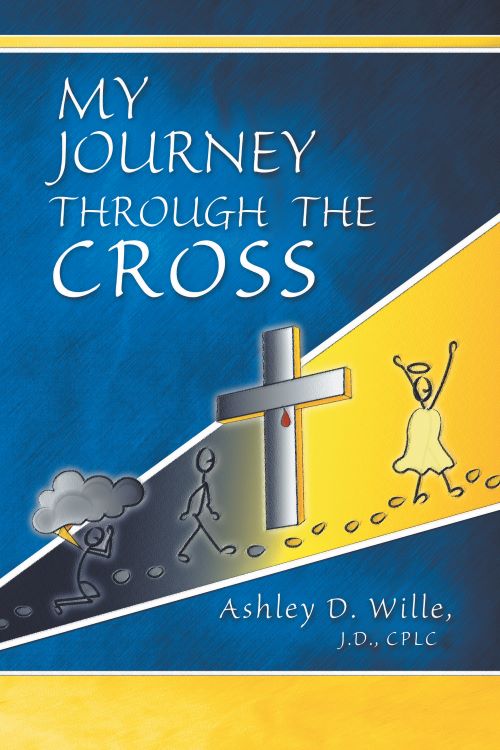
Life-Changing Book
A Journey Through the Cross
By Ashley D. Wille
Discover a transformative journey of faith, resilience, and personal growth. Ashley D. Wille’s powerful memoir offers insights into overcoming life’s challenges through spiritual guidance and self-discovery, perfect for anyone seeking inspiration and direction on their own life path.
- Inspiring personal transformation story
- Guidance for spiritual and emotional growth
- Perfect for seekers of purpose and meaning
Christian Counseling for Trauma and Inner Healing: A Biblical Foundation
Christian Counseling for Trauma and Inner Healing combines sound psychological care with Scripture. It does not replace professional therapy when needed. It integrates faith with emotional recovery.
The Bible speaks clearly about suffering. Psalm 34:18 says, “The Lord is close to the brokenhearted.” This truth anchors healing work.
Core Principles of Christian Trauma Counseling
- God sees your pain.
- Christ carries your suffering.
- Healing is a process.
- Identity in Christ restores the soul.
In My Journey Through the Cross, Ashley D. Wille describes how emotional pain pushed her deeper into surrender. Her journey shows that inner wounds often surface before spiritual breakthrough. Healing required facing hidden bitterness, forgiving others, and resting in God’s presence.
This pattern aligns with Christian counseling practice today.
How Trauma Affects Faith and Identity
Trauma often reshapes how people see God.
A child with a distant father may view God as distant. A person betrayed may fear intimacy with God. These distortions feel real.
Christian counseling helps clients:
- Identify false beliefs about God
- Replace lies with biblical truth
- Separate past pain from God’s character
- Build secure attachment to Christ
This work mirrors what Scripture calls “renewing the mind” (Romans 12:2).
Inner healing begins when truth replaces distortion.
The Role of Forgiveness in Inner Healing
Forgiveness does not excuse harm. Forgiveness releases bitterness.
Unforgiveness keeps trauma active in the nervous system. Studies show that chronic resentment increases stress hormones and blood pressure. Forgiveness reduces anxiety and depression symptoms.
In Christian counseling, forgiveness involves:
- Naming the hurt honestly
- Bringing pain before God
- Choosing release
- Allowing God to handle justice
In My Journey Through the Cross, Wille describes a deep process of forgiving personal wounds and even historical figures who triggered anger. This wide act of forgiveness freed her emotional responses.
Forgiveness creates space for peace.
Christ-Centered Therapy and Emotional Regulation
Trauma disrupts the body. It creates panic, numbness, or anger.
Christian trauma therapy often includes:
- Grounding exercises
- Breathing practices
- Scripture meditation
- Prayer-based reflection
- Cognitive restructuring
Philippians 4:7 promises peace that guards the heart and mind. This peace is not denial. It is regulated trust.
Faith-based counseling teaches clients to anchor emotions in truth. When fear rises, truth steadies the mind.
The Cross and Trauma Recovery
The cross represents suffering and victory. Christ experienced betrayal, abuse, false accusation, and physical torture. He understands trauma.
Hebrews 4:15 says Jesus sympathizes with our weaknesses.
In trauma recovery, this matters deeply. Survivors need to know they are not alone.
The message of the cross teaches:
- Suffering does not cancel God’s plan.
- Pain can refine character.
- Resurrection follows surrender.
Christian counseling often guides clients through stages:
- Stabilization
- Processing trauma
- Rebuilding identity
- Living with renewed purpose
This mirrors the pattern of stillness, filling, and renewal described in My Journey Through the Cross.
Spiritual Warfare and Trauma
Some trauma survivors feel shame or spiritual oppression. Christian counseling addresses spiritual battles without dismissing psychological care.
Ephesians 6:12 reminds believers that struggle involves unseen forces.
Trauma can open doors to fear-based thinking. Christian counseling equips believers to:
- Recognize lies
- Stand in truth
- Pray with authority
- Strengthen faith
Healing requires both wisdom and discernment.
Signs You May Need Christian Trauma Counseling
You may benefit from Christian Counseling for Trauma and Inner Healing if you experience:
- Flashbacks
- Panic attacks
- Nightmares
- Chronic shame
- Fear of intimacy
- Anger outbursts
- Feeling distant from God
Seeking help shows courage. Proverbs 11:14 teaches that wise counsel brings safety.
Evidence-Based Practices Within Christian Counseling
Healthy Christian counseling respects science.
Evidence-based trauma treatments include:
- Cognitive Behavioral Therapy (CBT)
- EMDR (Eye Movement Desensitization and Reprocessing)
- Somatic experiencing
- Narrative therapy
When integrated with biblical truth, these methods support whole-person healing.
A 2016 meta-analysis in the Journal of Psychology and Theology found that faith-integrated therapy improved outcomes for religious clients compared to secular-only approaches.
Faith strengthens recovery when used responsibly.
Building Secure Attachment to God
Trauma often breaks trust. Christian counseling helps rebuild trust with God as a safe Father.
This process includes:
- Honest prayer
- Scripture reflection
- Journaling
- Worship
- Silence and stillness
Stillness calms the nervous system. Psalm 46:10 says, “Be still and know that I am God.”
Many trauma survivors struggle to sit quietly. Healing begins when stillness feels safe.
Community and the Healing Process
Isolation worsens trauma symptoms. God created believers for community.
Hebrews 10:25 encourages gathering together.
Support may include:
- Church small groups
- Christian support groups
- Trauma-informed ministries
- Pastoral counseling
A safe community helps retrain the brain to expect safety instead of danger.
Frequently Asked Questions (FAQs)
1. What is Christian counseling for trauma and inner healing?
Christian counseling for trauma and inner healing combines biblical truth with professional therapy to help people process emotional wounds and restore identity in Christ.
2. Can prayer alone heal trauma?
Prayer is powerful. However, trauma affects the brain and body. Many people benefit from structured therapy alongside prayer.
3. Is it weak to seek Christian therapy?
No. Seeking help reflects wisdom and humility. Proverbs 19:20 encourages listening to counsel.
4. How long does trauma recovery take?
Recovery varies. Some people improve within months. Others require longer care. Healing is steady, not rushed.
5. Can God use trauma for growth?
Yes. Romans 8:28 teaches that God works through suffering. Growth does not justify harm, but redemption is possible.
Practical Steps to Begin Inner Healing Today
You can start with simple steps:
- Speak honestly to God about your pain.
- Identify one trusted person to share with.
- Practice daily Scripture meditation.
- Journal emotions without judgment.
- Consider meeting with a licensed Christian counselor.
Small steps create lasting change.
Why This Matters for Every Believer
Unhealed trauma affects parenting, marriage, church life, and leadership. Healing strengthens families and communities.
Research shows that untreated trauma increases the risk of depression, substance abuse, and chronic illness. Addressing trauma early protects future generations.
Inner healing is not selfish. It serves others.
A Final Word of Hope
Your story may include pain. It also includes purpose.
Christian Counseling for Trauma and Inner Healing points to Christ as healer, restorer, and redeemer. The cross proves that suffering does not win.
You do not have to carry hidden wounds alone.
If this article spoke to you:
- Leave a comment and share your thoughts.
- Reach out to a trusted Christian counselor this week.
- Read My Journey Through the Cross for a deeper reflection on surrender and restoration.
- Share this article with someone who needs hope.
Healing begins with one step. Take yours today.