
Raising children is joyful and demanding. Many parents ask the same question: How can I guide my child with wisdom, love, and faith when emotions run high? This article explains Counseling Strategies for Christian Parents that you can use at home today. These faith-based parenting methods help families build emotional health, strong relationships, and spiritual growth. You will learn practical Christian parenting guidance that supports calm communication, biblical discipline, and Christ-centered family life. If you want peaceful conversations, a deeper connection, and confident leadership in your home, these counseling strategies will help you start immediately.
Why Christian Counseling at Home Matters
Parents are a child’s first counselors. Children learn how to think, feel, and respond by watching you. When guidance reflects biblical truth, children gain stability in a confusing world.
Christian counseling at home focuses on three goals:
• Emotional awareness
• Biblical truth
• Loving discipline
These goals help children process feelings without fear. They also build trust between parent and child.
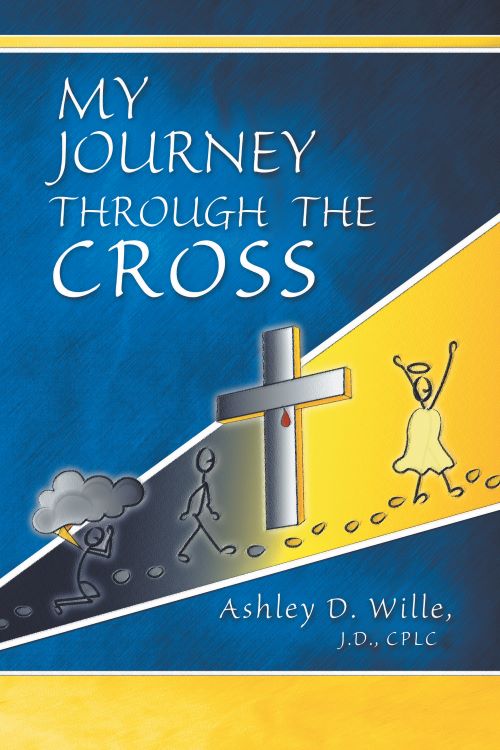
In My Journey Through the Cross, the author explains how spiritual growth begins when the heart learns to rest in God’s presence. This same principle applies to parenting. When children feel safe, they become open to guidance.

Life-Changing Book
A Journey Through the Cross
By Ashley D. Wille
Discover a transformative journey of faith, resilience, and personal growth. Ashley D. Wille’s powerful memoir offers insights into overcoming life’s challenges through spiritual guidance and self-discovery, perfect for anyone seeking inspiration and direction on their own life path.
- Inspiring personal transformation story
- Guidance for spiritual and emotional growth
- Perfect for seekers of purpose and meaning
Listen Before You Lead
Active Listening Builds Trust
Children open up when they feel heard. Active listening means:
• Look at your child
• Let them finish speaking
• Reflect what they said
• Respond calmly
Example:
“ You feel upset because your friend ignored you. That hurt.”
This simple step lowers emotional tension. It shows respect. It teaches empathy.
Studies from Harvard’s Center on the Developing Child show that responsive communication strengthens brain development in children. Listening is not passive. Listening is powerful.
Biblical Foundation for Counseling Conversations
Christian parenting draws wisdom from The Holy Bible. Scripture provides timeless guidance for emotional care.
Key Biblical Counseling Principles
• Gentle speech promotes healing
Proverbs teaches that kind words reduce anger.
• Truth guides behavior
Children need clear moral direction.
• Love corrects without shame
Correction builds growth when delivered with care.
These principles support Christian parenting counseling, biblical parenting guidance, and faith-based discipline.
Teach Emotional Naming and Regulation
Children often act out because they lack emotional vocabulary. When parents teach feeling words, behavior improves.
Practical Steps
- Name the emotion
- Validate the feeling
- Guide the response
Example:
“ You feel angry. That is okay. Hitting is not okay. Let’s breathe together.”
This method builds emotional regulation in Christian families. It helps children connect feelings with responsible actions.
Brain science confirms this approach. Neuroscientist Dr. Daniel Siegel explains that naming emotions reduces stress response in the brain.
Model Christ-Like Behavior
Children copy what they see more than what they hear.
If parents respond with patience, children learn patience. If parents react with harshness, children repeat harshness.
Everyday Modeling Practices
• Apologize when wrong
• Show forgiveness
• Practice calm responses
• Demonstrate prayer in daily life
These habits create Christ-centered parenting and spiritual formation in children.
Use Redemptive Discipline
Discipline means teaching, not punishing. Christian discipline aims to restore relationships and guide growth.
Redemptive Discipline Framework
Step 1: Clarify the behavior
Explain what happened.
Step 2: Explain the impact
Help the child understand consequences.
Step 3: Guide correction
Offer a better choice.
Step 4: Restore connection
End with reassurance of love.
Research from the University of Michigan shows that supportive discipline leads to better long-term behavior than harsh punishment.
Create Safe Family Dialogue
Family conversations should feel safe and structured. A simple weekly check-in can transform communication.
Weekly Faith-Based Family Check-In
Ask each child:
• What made you happy this week?
• What felt hard?
• How can we pray for you?
This practice strengthens Christian family counseling practices and faith-centered communication.
Guide Identity Through Faith
Children form identity early. Faith provides a stable identity rooted in God’s love.
Identity-Building Statements
Speak truth regularly:
• “You are loved by God.”
• “You can grow from mistakes.”
• “God gives wisdom when we ask.”
These messages build biblical identity development and spiritual resilience in children.
Psychological research confirms that secure identity reduces anxiety and improves decision-making.
Address Fear and Anxiety with Faith
Children experience fear about school, friendships, and the future. Parents can guide them with faith-based coping tools.
Faith-Based Anxiety Support
• Pray together
• Practice gratitude
• Focus on present steps
• Read Scripture for comfort
These practices support Christian counseling for anxiety in children and faith-based emotional support.
Encourage Personal Responsibility
Healthy counseling leads children toward wise choices. Responsibility grows when children participate in solutions.
Responsibility Coaching Method
Ask guiding questions:
• “What can you do differently next time?”
• “How can you make this right?”
• “What choice honors God?”
This approach builds character formation in Christian parenting and moral decision-making skills.
Strengthen the Parent-Child Bond
Connection is the foundation of influence. Strong relationships make corrections effective.
Daily Connection Habits
• One-on-one time
• Encouraging words
• Shared prayer
• Physical affection
Attachment research shows that secure parent-child bonds predict higher emotional stability and academic success.
Integrating Faith and Counseling at Home
Christian parenting counseling blends emotional wisdom with spiritual truth. Parents do not need professional training to apply these principles. They need consistency, compassion, and faith.
The journey described in My Journey Through the Cross reflects a core truth: transformation begins when the heart learns surrender and trust. Children grow in the same environment of grace.
Frequently Asked Questions
1. What is Christian parenting counseling?
Christian parenting counseling combines biblical teaching with emotional guidance. It helps children process feelings, make wise choices, and grow in faith.
2. How can parents discipline without anger?
Pause before responding. Speak calmly. Focus on teaching rather than punishing. Restore connection after correction.
3. At what age should parents start counseling conversations?
Begin early. Even toddlers can learn emotional words and simple biblical truths.
4. How do I help a child who refuses to talk?
Create safety first. Spend relaxed time together. Ask simple questions. Avoid pressure.
5. Does faith-based parenting improve mental health?
Research shows that supportive parenting improves emotional outcomes. Faith adds meaning, identity, and hope, which strengthen resilience.
For Christian Parents
• Listening builds trust
• Gentle truth guides behavior
• Emotional coaching shapes character
• Faith strengthens identity
• Connection increases influence
These principles create emotionally healthy Christian families and biblical parenting success.
If this article helped you, take one action today:
👉 Start a weekly family conversation time
👉 Share one identity-building statement with your child
👉 Leave a comment about your parenting challenge
Your journey matters. Your influence shapes the next generation.