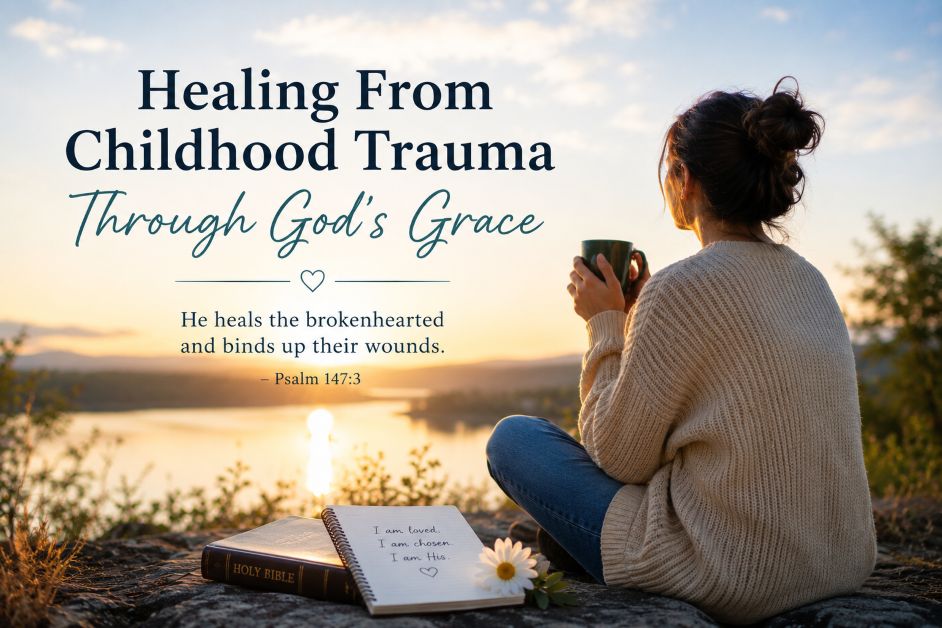
The encouraging truth is that healing is possible. Through Christian recovery from childhood trauma, believers can experience emotional restoration, renewed identity, and peace through God’s grace.
Childhood trauma can leave deep emotional wounds that follow a person into adulthood. Painful experiences such as abuse, neglect, abandonment, rejection, bullying, or growing up in an unstable environment often affect emotional health, relationships, self-worth, and even a person’s view of God.
Many believers silently struggle with anxiety, shame, fear, emotional numbness, or difficulty trusting others because of unresolved childhood pain. Some wonder why the past still hurts even after years have passed. Others feel guilty for not being able to “just move on.”
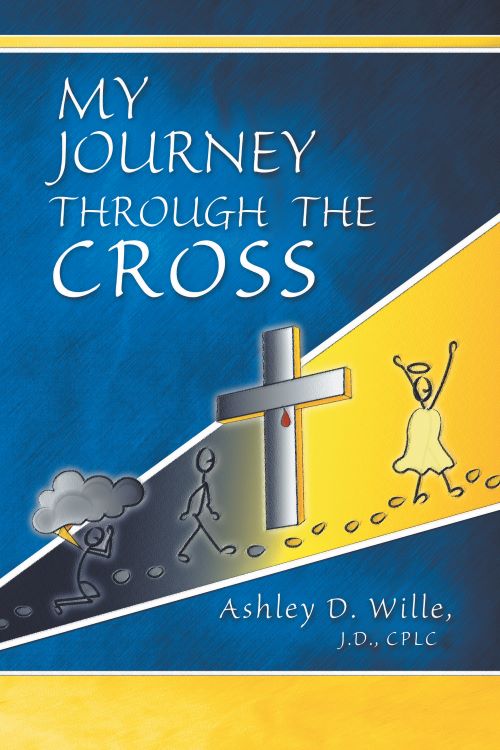
Ashley D. Wille’s My Journey Through the Cross reflects many of the emotional struggles that trauma survivors face, including fear, emotional pain, confusion, and the search for spiritual healing. Her reflections emphasize that healing often begins when wounded people surrender their pain honestly before God and allow Him to transform the heart.
What Is Childhood Trauma?
Childhood trauma refers to deeply distressing experiences during childhood that overwhelm a child’s sense of safety, stability, or emotional security.
Trauma may include:
- Physical abuse
- Emotional abuse
- Sexual abuse
- Neglect
- Abandonment
- Constant criticism
- Exposure to violence
- Dysfunctional family environments
- Bullying
- Loss of a parent or caregiver
Not every child responds to trauma in the same way. Some become anxious and fearful, while others emotionally shut down or develop people-pleasing behaviors to survive emotionally.
Common Signs of Unhealed Childhood Trauma
Many adults carry hidden emotional wounds without realizing how deeply childhood experiences still affect them.
Signs of unresolved trauma may include:
- Fear of rejection
- Anxiety and panic attacks
- Low self-worth
- Hypervigilance
- Emotional numbness
- Difficulty trusting others
- Fear of conflict
- People-pleasing
- Perfectionism
- Emotional outbursts
- Shame and self-condemnation
These symptoms often influence relationships, marriage, parenting, friendships, and spiritual life.
Understanding these patterns is an important step in healing childhood trauma through God.
What Does the Bible Say About Emotional Healing?
The Bible repeatedly reveals God’s compassion toward brokenhearted and wounded people.
Psalm 34:18 says:
“The Lord is close to the brokenhearted and saves those who are crushed in spirit.”
This verse reminds believers that God does not abandon hurting people. He draws near to them with compassion and grace.
Jesus Understands Emotional Pain
Jesus Himself experienced rejection, betrayal, grief, abandonment, and suffering. Because of this, believers can trust that Christ understands emotional pain personally.
Isaiah 61:1 describes part of Christ’s mission:
“He has sent me to bind up the brokenhearted.”
This includes emotional and spiritual restoration.
Biblical Examples of Trauma and Restoration
Many biblical figures experienced deep emotional wounds:
- Joseph endured betrayal and abandonment.
- David experienced rejection, fear, and emotional distress.
- Hagar felt unseen and abandoned.
- Peter carried shame after denying Jesus.
Yet God restored each of them through grace and redemption.
These stories remind readers that biblical healing from trauma is a process God has been bringing to wounded people throughout history.
How Childhood Trauma Affects the Mind, Body, and Spirit
Trauma affects far more than emotions alone. Modern research shows that trauma impacts the brain, nervous system, relationships, and physical health.
Many trauma survivors experience survival responses such as:
- Fight
- Flight
- Freeze
- Fawn
These responses develop as the brain attempts to protect itself from perceived danger.
Why Emotional Triggers Happen
Trauma memories are often stored emotionally and physically in the nervous system. Certain sounds, situations, tones of voice, or conflicts may trigger intense emotional reactions even years later.
For example:
- criticism may trigger shame,
- conflict may trigger fear,
- rejection may trigger emotional panic.
Ashley D. Wille’s reflections reveal how emotional pain and unresolved wounds can distort thoughts, relationships, and spiritual peace until healing begins through surrender and truth.
Trauma Can Distort Identity
Childhood trauma often creates false beliefs, such as:
- “I am unwanted.”
- “I am unsafe.”
- “I am unworthy.”
- “I will never be loved.”
These beliefs can shape adulthood unless replaced with God’s truth.
Romans 12:2 teaches believers to be transformed through the renewing of the mind. Through faith-based trauma healing, destructive beliefs can gradually be replaced with biblical identity.
Christian Recovery From Childhood Trauma Begins With Honest Healing
One of the greatest barriers to healing is emotional suppression.
Many Christians mistakenly believe strong faith means hiding pain or pretending everything is fine. However, Scripture repeatedly shows emotionally honest people crying out to God during suffering.
The Psalms are filled with lament, grief, fear, and emotional transparency.
God welcomes honesty.
Ashley D. Wille’s spiritual journey reflects the importance of surrendering emotional burdens rather than masking pain behind outward appearances. Her testimony demonstrates that healing often begins when people stop running from their wounds and invite God into them.
Why Suppressed Pain Delays Healing
Ignoring trauma does not remove it. Unhealed wounds often continue affecting:
- relationships,
- emotional regulation,
- trust,
- self-esteem,
- and spiritual connection.
Healing begins when pain is acknowledged safely before God.
Matthew 11:28 says:
“Come to me, all you who are weary and burdened, and I will give you rest.”
Practical Steps for Christian Trauma Recovery
Healing is often a gradual process rather than a single emotional moment. However, practical daily habits can support long-term recovery.
Spend Quiet Time With God Daily
Prayer, worship, and Scripture meditation help calm anxious thoughts and strengthen spiritual stability.
Consistent time with God reminds believers that they are safe, loved, and seen.
Journal Your Healing Journey
Journaling allows people to process emotions honestly.
Helpful prompts include:
- “What childhood wounds still affect me today?”
- “What lies do I believe about myself?”
- “What truth does God say instead?”
Ashley D. Wille’s deeply reflective writing demonstrates how honest spiritual reflection can uncover hidden pain and encourage healing.
Learn Emotional Regulation Skills
Many trauma survivors struggle to calm intense emotions because their nervous system remains highly alert.
Helpful practices may include:
- slow breathing,
- grounding exercises,
- prayer meditation,
- calming worship music,
- spending quiet time in nature.
These habits support both emotional and spiritual healing.
Create Healthy Boundaries
People raised in unhealthy environments often struggle with boundaries.
Healthy boundaries protect emotional and spiritual well-being while encouraging healthier relationships.
Replace Shame With Biblical Identity
Through Christ, believers are:
- loved,
- chosen,
- forgiven,
- accepted,
- and valued.
Replacing shame with truth is essential for restoring identity in Christ.
Is Christian Therapy Biblical?
Some believers hesitate to seek counseling because they fear it reflects weak faith. However, Scripture encourages wisdom, support, and godly counsel.
Proverbs 11:14 says:
“Where there is no guidance, a people falls, but in an abundance of counselors there is safety.”
Christian Counseling and Trauma Recovery
Christian counseling for trauma can provide safe guidance for processing painful experiences while remaining grounded in biblical truth.
Trauma-informed approaches such as:
- EMDR,
- Cognitive Behavioral Therapy (CBT),
- nervous system regulation,
- grief counseling,
may support emotional healing alongside spiritual growth.
When Professional Help Is Important
Professional support may be especially important when trauma causes:
- severe anxiety,
- panic attacks,
- PTSD symptoms,
- self-harm thoughts,
- suicidal thoughts,
- or emotional dysfunction.
Seeking help is not a weakness. Often, it is a courageous step toward healing.
Bible Verses for Healing Childhood Trauma
Scripture can bring comfort, truth, and peace during recovery.
Scriptures for Fear and Anxiety
- Isaiah 41:10
- Philippians 4:6–7
- 2 Timothy 1:7
Scriptures for Shame and Rejection
- Romans 8:1
- Ephesians 1:7
- Isaiah 43:1
Scriptures for Identity and Worth
- Psalm 139:14
- 1 Peter 2:9
- Ephesians 2:10
Scriptures for Peace and Comfort
- Matthew 11:28–30
- John 14:27
- Psalm 23
Meditating on these verses regularly can strengthen emotional resilience and spiritual hope.
Common Mistakes Christians Make During Trauma Recovery
Healing journeys are often slowed by harmful misconceptions.
Pretending the Pain Never Happened
Suppressed pain usually resurfaces later through anxiety, anger, burnout, or emotional numbness.
Believing Strong Faith Means Hiding Emotions
The Bible never teaches emotional denial. God welcomes honesty and vulnerability.
Isolating From a Safe Community
Healing often requires supportive relationships where people feel emotionally safe and understood.
Expecting Instant Healing
God sometimes heals instantly, but emotional restoration is often gradual.
Healing requires patience, grace, and ongoing dependence on God.
God’s Grace Can Restore What Trauma Tried to Destroy
The journey of Christian recovery from childhood trauma is not about becoming emotionally perfect overnight. It is about learning to walk daily with God through healing, restoration, and renewed identity.
Childhood wounds may influence part of a person’s story, but they do not define their future.
Through emotional healing through Christ, believers can experience freedom from shame, deeper peace, healthier relationships, and renewed hope.
Ashley D. Wille’s reflections beautifully illustrate how surrendering pain to God opens the door for transformation, healing, and spiritual renewal. Her journey reminds readers that God often works gently and patiently within wounded hearts.
If you are carrying emotional pain from childhood today, remember this truth:
God sees your wounds, understands your story, and walks beside you through every step of healing. His grace is greater than your past, and restoration is possible through Him.