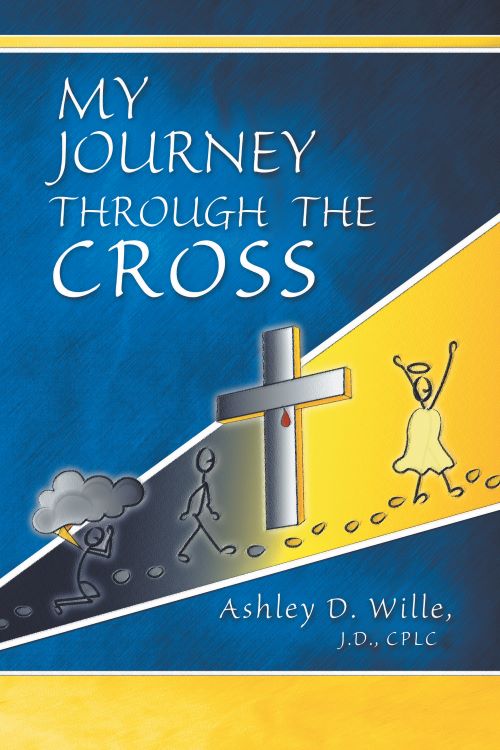
Faith in crisis counseling strategies for spiritual doubt is a vital topic for anyone who feels lost, confused, or distant from God. Many believers face seasons where faith feels weak, prayers feel empty, and truth feels unclear. This article offers clear, biblical, and practical guidance rooted in the journey reflected in My Journey Through the Cross. You will learn how to respond to doubt, find healing, and grow stronger through struggle.
Why Faith Enters a Crisis
Faith does not break without reason. It often cracks under pressure from real life.
Common Causes of Spiritual Doubt
- Emotional pain (rejection, abandonment, loss)
- Unanswered prayers
- Religious pressure and performance
- Hidden sin or guilt
- Trauma or life stress
- False beliefs about God
The book shows that doubt often begins when expectations of God do not match reality. Many people believe they must “perform” to be accepted. When they fail, they feel distant from Him.
The Hidden Root: Wrong Beliefs About God
Many crises come from false views of God.
Examples of Harmful Beliefs
- “God is distant and hard to please.”
- “I must earn His love.”
- “If I struggle, I am failing.”
These beliefs create fear, shame, and spiritual exhaustion. The book reveals how childhood experiences can shape how we see God. For example, a strict or distant parent can cause someone to fear God instead of trust Him.
Counseling Strategy #1: Still the Soul
Before fixing faith, we must calm the heart.
How to Still Your Soul
- Sit quietly with God daily
- Focus on His presence, not your feelings
- Limit noise (media, stress, distractions)
- Practice simple prayer: “Lord, I trust You”
The book teaches that peace comes when the mind stays focused on God. This is not a one-time act. It is a daily habit.
Counseling Strategy #2: Shift From Striving to Grace
Many believers live in pressure. They try harder but feel worse.
Signs of Religious Striving
- Constant guilt
- Fear of failure
- Trying to “earn” God’s approval
True healing begins when you rest in grace.
Resting in grace beyond religious striving means:
- You are accepted because of Christ
- Growth takes time
- God works inside you, not just through effort
This shift breaks the cycle of burnout and brings peace.
Counseling Strategy #3: Identify Emotional Wounds
Spiritual doubt is often tied to emotional pain.
Key Areas to Explore
- Childhood rejection
- Fear of abandonment
- Broken relationships
- Unresolved grief
The book shows that hidden wounds can distort faith. Healing these wounds helps restore trust in God.
Christian identity healing from emotional abandonment is essential for deep recovery.
Counseling Strategy #4: Break Spiritual Strongholds
A stronghold is a thought pattern that controls your mind.
Common Strongholds
- “I am not enough.”
- “God will leave me.”
- “I must control everything.”
These lies trap people in fear and doubt.
How to Break Them
- Replace lies with Scripture
- Speak truth daily
- Pray with honesty
- Stay connected to God
Breaking spiritual strongholds through intimacy with God is the key to lasting freedom.
Counseling Strategy #5: Embrace the Cross Process
The cross is not just history. It is a process.
The book outlines a clear journey:
- Still – God quiets your soul
- Fill – God restores your heart
- Thrill – God renews your joy
This journey involves pain, but it leads to transformation.
Journey through the cross spiritual transformation teaches that suffering can shape faith instead of destroy it.
Counseling Strategy #6: Practice Complete Forgiveness
Unforgiveness blocks healing.
What Forgiveness Does
- Releases anger
- Frees your heart
- Restores peace
The book highlights the need to forgive:
- Family members
- Friends
- Leaders
- Even strangers and enemies
Forgiveness does not excuse wrong. It releases control.
Counseling Strategy #7: Focus Your Mind Daily
Your thoughts shape your faith.
Simple Focus Practice
- Start your day with Scripture
- Speak truth out loud
- Pause during stress and pray
- Avoid mental distractions
The book compares focus to a laser. When your mind stays on God, it gains power and clarity.
Counseling Strategy #8: Let Go of False Identity
Labels can damage faith.
Harmful Labels
- “Failure”
- “Perfect one”
- “Not good enough”
These labels come from the world, not God.
True identity is found in Christ.
Christian healing through suffering testimony shows that identity is restored through God’s truth, not human opinion.
Counseling Strategy #9: Accept That Growth Takes Time
Faith grows slowly.
Many people expect instant change. When it does not happen, they lose hope.
The book reminds us:
- God works step by step
- Pain has purpose
- Growth requires patience
This truth brings stability during hard seasons.
Counseling Strategy #10: Stay Connected to God, Not Religion
There is a big difference between knowing God and following routine.
Signs of Empty Religion
- Going through motions
- No real connection with God
- Focus on rules instead of relationships
The book uses a simple example: a child copying actions without understanding. This shows how easy it is to imitate faith without knowing God.
Real faith comes from a relationship.
The Power of Suffering in Faith Growth
Suffering is not wasted.
Research shows that many people report deeper spiritual growth after hardship. Studies in psychology confirm that struggle can lead to stronger meaning and purpose.
The book echoes this truth:
- Pain reveals hidden issues
- Struggle builds dependence on God
- Trials deepen faith
Christian healing through suffering testimony proves that crisis can lead to transformation.
Practical Daily Plan for Overcoming Doubt
Here is a simple routine you can follow:
Morning
- Read a short Bible passage
- Pray honestly
- Declare one truth
Midday
- Pause and refocus on God
- Release stress in prayer
Evening
- Reflect on the day
- Practice forgiveness
- Thank God for small wins
Consistency matters more than perfection.
FAQs About Faith in Crisis
1. Is it normal to doubt God?
Yes. Many believers face doubt. It can lead to deeper faith if handled with truth and honesty.
2. How do I rebuild faith after losing it?
Start small. Pray daily, read Scripture, and focus on God’s character. Healing takes time.
3. Can emotional pain affect my faith?
Yes. Pain can distort how you see God. Healing emotional wounds often restores spiritual clarity.
4. What is the fastest way to overcome doubt?
There is no instant fix. But stillness, truth, and daily connection with God bring steady growth.
5. Why does God allow faith struggles?
Struggles can reveal deeper issues, build trust, and lead to stronger faith over time.
Faith Can Grow Stronger Through Crisis
A faith crisis is not the end. It is often the beginning of real growth.
When you:
- Still your soul
- Rest in grace
- Heal emotional wounds
- Break strongholds
- Stay close to God
You move from confusion to clarity.
Your struggle has purpose.
If this message helped you, take the next step:
👉 Reflect on one area where your faith feels weak
👉 Apply one counseling strategy today
👉 Share your thoughts or questions in the comments
And if you want deeper guidance, consider creating a personal journal based on these principles. Your journey matters—and healing is possible.