
Many people carry deep wounds from rejection, neglect, or loss. If you are searching for Christian identity healing from emotional abandonment, you are likely trying to understand who you are after being hurt. You may feel unseen, unloved, or unsure of your worth. This article will help you rebuild your identity, find emotional healing, and experience lasting peace through God’s truth.
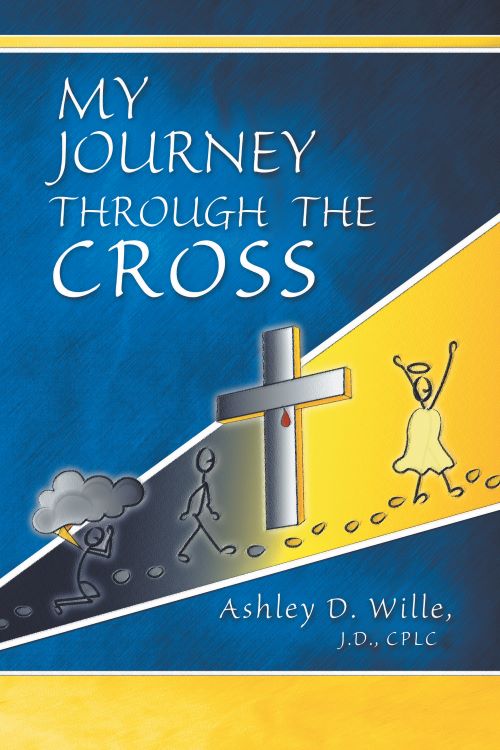
Inspired by My Journey Through the Cross, this journey shows that healing begins when you stop defining yourself by pain and start seeing yourself through God’s love.
What Is Emotional Abandonment?
Emotional abandonment happens when someone you needed:
- Was not present
- Did not give support
- Withdrew love or care
This can happen in:
- Childhood
- Relationships
- Friendships
- Family situations
👉 The result: You feel alone, even when others are around.
How Emotional Abandonment Affects Identity
Your identity forms from what you experience and believe.
When abandonment happens, you may start to believe:
- “I am not important”
- “I am not lovable”
- “People always leave me”
These beliefs shape your thoughts, emotions, and actions.
Key Truth:
Your identity can be rebuilt with truth.
Why Christian Identity Matters for Healing
Christian identity means seeing yourself the way God sees you.
This includes:
- Loved
- Accepted
- Chosen
- Forgiven
In My Journey Through the Cross, the shift from pain to identity changed everything. The same can happen for you.
Step-by-Step: Christian Identity Healing from Emotional Abandonment
1. Acknowledge the Pain Honestly
Do not ignore your hurt.
Say:
- “This hurt me”
- “This affected me”
Naming the pain is the first step to healing.
2. Understand It Was Not Your Fault
Many people blame themselves.
👉 Truth:
You were not responsible for someone else’s absence.
Release self-blame.
3. Replace False Identity with Truth
Old belief: “I am unwanted”
New truth: “I am loved and valued”
Repeat truth daily.
This step rewires your thinking.
4. Build a Personal Connection with God
Healing grows through relationship.
Simple practices:
- Talk to God daily
- Sit in quiet reflection
- Read Scripture slowly
You are not alone anymore.
5. Allow Safe Relationships
Not everyone will leave.
Start small:
- One trusted friend
- One mentor
- One support group
Healthy connection supports healing.
Signs You Are Healing
You may notice:
- Less fear of rejection
- More confidence
- Healthier boundaries
- Stronger sense of worth
- Greater peace
Healing is gradual but real.
The Science Behind Emotional Healing
Research supports emotional recovery:
- Studies show supportive relationships improve mental health
- Positive belief systems increase resilience
- Reframing thoughts changes brain patterns
Faith and psychology both point to the same truth:
What you believe shapes how you live.
Common Struggles After Abandonment
❌ Fear of being left again
❌ Difficulty trusting others
❌ People-pleasing behavior
❌ Avoiding close relationships
These are normal responses, but they can change.
How to Strengthen Your Identity Daily
Morning:
- Speak one truth: “I am loved”
Midday:
- Pause and check your thoughts
Evening:
- Reflect and release the day
Consistency builds a new identity.
Faith-Based Emotional Healing Practices
- Prayer for comfort and clarity
- Scripture for truth and identity
- Worship for peace
- Journaling for processing emotions
These practices support long-term healing.
FAQs About Emotional Abandonment and Identity
1. What is emotional abandonment?
It is when someone fails to provide emotional support or connection when you need it.
2. Can I heal from abandonment?
Yes. Healing is possible through truth, support, and faith.
3. How does faith help healing?
Faith provides identity, comfort, and a sense of belonging.
4. Why do I feel unworthy after abandonment?
Your mind formed beliefs based on past experiences. These can be changed.
5. Should I seek counseling?
Yes. A counselor can guide you through deeper healing.
You Are Not Forgotten
Your past does not define you.
Christian identity healing from emotional abandonment is about learning who you truly are.
You are:
- Seen
- Known
- Loved
You are not alone anymore.
Take one step today:
- Write one false belief you want to release
- Replace it with truth
- Spend a few quiet minutes connecting with God
If this article helped you, share it with someone who needs encouragement.
For deeper insight, explore My Journey Through the Cross – a powerful story of healing, identity, and transformation.