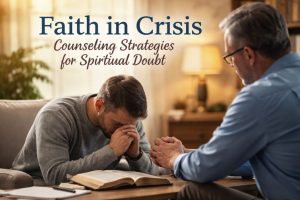

Finding Christian Help for Spiritual Exhaustion and Emotional Fatigue begins with recognizing that spiritual weariness and emotional depletion can affect anyone. Difficult relationships, prolonged stress, grief, disappointment, and daily responsibilities can leave the heart and mind feeling drained. These struggles do not automatically mean that your faith is weak or that God has abandoned you.
Have you ever felt too tired to pray, read the Bible, or find joy in your daily Christian life? You may continue caring for your family, meeting responsibilities, and attending church while privately feeling empty and overwhelmed. This experience can leave you wondering why do I feel spiritually exhausted?
The Bible offers encouragement for people who feel overwhelmed. Through prayer, Scripture, stillness, worship, and support from others, Christians can learn how to find strength in God when emotionally tired. God’s invitation is not to pretend that everything is fine, but to bring every burden to Him and receive the rest He offers.
What Are Spiritual Exhaustion and Emotional Fatigue?
Spiritual exhaustion describes a period when a person feels spiritually depleted, discouraged, or disconnected from meaningful fellowship with God. Someone experiencing spiritual weariness may struggle to pray, concentrate on Scripture, or participate in worship with the same interest as before.
Emotional fatigue involves feeling mentally and emotionally drained after carrying stress, worry, grief, or difficult responsibilities for an extended period. It can affect patience, concentration, motivation, and relationships.
Although these experiences are different, they can occur together. Physical tiredness, mental exhaustion, and emotional overwhelm may also make spiritual practices feel difficult.
Understanding what to do when you feel spiritually drained begins with acknowledging what you are experiencing. Rather than condemning yourself, consider the pressures that may have contributed to your exhaustion. You may need spiritual encouragement, physical rest, emotional support, or professional care.
Why Do Christians Experience Spiritual Exhaustion?
Several circumstances can contribute to spiritual exhaustion and emotional fatigue. Recognizing these pressures can help you respond with greater patience and wisdom.
Carrying Too Many Responsibilities
Family responsibilities, employment, caregiving, ministry, and household demands can consume much of your time and energy. When you continually place other people’s needs before your own, you may eventually feel overwhelmed.
Being dependable does not mean you must carry every responsibility alone. Healthy boundaries and appropriate support can help you care for others without neglecting your own well-being.
Facing Prolonged Stress and Disappointment
Grief, relationship difficulties, financial concerns, and unanswered prayers can create emotional pressure. When difficult circumstances continue without an obvious solution, discouragement may grow.
You may wonder how to find peace during difficult seasons when the situation around you remains unchanged. During these times, remember that you can bring your concerns honestly before God without pretending to feel strong.
Depending Too Much on Personal Strength
Trying to control every situation can become exhausting. You may feel responsible for solving every problem, meeting every expectation, and keeping everything together.
Jesus offers another way in Matthew 11:28–30. He invites the weary and burdened to come to Him and receive rest. This invitation reminds believers that they do not have to depend entirely on personal strength.
Signs You May Be Spiritually Exhausted and Emotionally Drained
Recognizing the signs of spiritual weariness can help you respond before exhaustion becomes more difficult to manage.
Common experiences include:
- Feeling distant from God even when you want a closer relationship with Him.
- Finding it difficult to concentrate during prayer or Bible reading.
- Experiencing irritability, sadness, or emotional overwhelm.
- Losing motivation for activities that once brought encouragement.
- Feeling discouraged by unanswered prayers or ongoing problems.
- Struggling with concentration, sleep, or persistent physical tiredness.
- Wanting to withdraw from others because everyday interaction feels difficult.
These experiences do not establish a medical diagnosis. Persistent fatigue, changes in mood, sleep difficulties, or problems with daily functioning may require medical or mental-health support.
What the Bible Teaches About Spiritual Weariness
Scripture acknowledges human weakness and offers hope to those who feel discouraged. Several passages provide meaningful encouragement during seasons of exhaustion.
God Gives Strength to the Weary
Isaiah 40:29–31 teaches that God gives strength to the weary and increases the power of those who feel weak. The passage reminds believers that human limitations do not place them beyond God’s care.
When you wonder how to renew your spiritual strength, remember that Christian faith does not require you to appear strong every moment. Dependence on God allows you to acknowledge your limitations while trusting His sustaining grace.
Jesus Invites the Burdened to Rest
In Matthew 11:28–30, Jesus invites those who are weary and carrying heavy burdens to come to Him. His words offer comfort to people who feel overwhelmed by responsibilities, worries, and personal struggles.
Resting in God’s presence means turning your attention toward Christ rather than allowing every concern to control your thoughts. It does not mean ignoring responsibilities. It means learning to depend on Him as you face them.
God’s Grace Is Sufficient in Weakness
In 2 Corinthians 12:9, the Lord tells Paul that His grace is sufficient and His power is made perfect in weakness. This passage encourages believers to trust God’s strength when personal resources feel limited.
You do not need to hide your struggles from Him. His sustaining grace remains a source of hope even when circumstances are difficult.
Christian Help for Spiritual Exhaustion and Emotional Fatigue: 8 Practical Steps
Finding Christian encouragement for emotional exhaustion involves more than trying harder. It requires an honest response to your needs and a willingness to receive God’s care.
1. Acknowledge Your Exhaustion Without Condemning Yourself
Begin by admitting that you feel tired. You do not have to dismiss your emotions or compare your struggles with someone else’s experience.
Recognize the responsibilities, relationships, or circumstances that may be draining your energy. This honest reflection can help you identify where change and support are needed.
2. Practice Stillness Before God
Constant activity and distractions can make it difficult to recognize God’s presence. Set aside a few quiet minutes to pause, breathe, and turn your attention toward Him.
Psalm 46:10 encourages believers to be still and recognize God. Stillness does not require perfect silence or an immediate emotional response. It is an opportunity to stop striving and remember who God is.
3. Pray Honestly About Your Feelings
If you are wondering how to pray when you feel too tired, begin with simple, honest words.
You might pray, “Lord, I feel exhausted. Please help me receive Your peace and show me what I need to release.”
Romans 8:26 offers encouragement for moments when believers do not know how to pray as they should. You can come before God even when words are difficult to find.
4. Read Scripture Slowly
Instead of setting an unrealistic reading goal, choose a short passage and reflect on its meaning. Consider Psalm 23, Isaiah 40:29–31, Matthew 11:28–30, or Psalm 55:22.
Ask what the passage reveals about God’s character and how its message applies to your present circumstances. This practice can support spiritual renewal through prayer and reflection.
5. Make Worship Part of Your Daily Life
Worship can help redirect your attention from overwhelming circumstances toward God’s character. Listen to worship music, reflect on Scripture, or spend a few moments expressing gratitude.
Worship does not require you to deny pain or pretend that difficulties have disappeared. It allows you to remember God’s presence while facing them.
6. Release Unnecessary Responsibilities
Review your commitments and identify tasks that can be postponed, delegated, or removed. Learn to establish healthy boundaries when your responsibilities exceed your available energy.
You can care for others while recognizing that you also need rest. Responsible choices can protect your emotional well-being and help you serve with greater patience.
7. Receive Encouragement From Other Believers
Isolation can make difficult seasons feel heavier. Consider speaking with a trusted Christian friend, pastor, or spiritual mentor.
Invite others to pray with you and provide practical assistance when needed. Christian community can offer companionship, encouragement, and reminders of biblical truth.
8. Seek Professional Support When Needed
Persistent exhaustion should not automatically be treated as a spiritual problem. A physician can help assess ongoing physical tiredness, while a qualified counselor or mental-health professional can provide support for emotional distress.
Prayer and professional care can work alongside one another. Seeking help is not a failure of faith. It is a responsible step toward caring for your whole well-being.
Renew Your Soul Through Stillness, Surrender, and Worship
A meaningful approach to spiritual renewal involves learning to become still before God, receive His presence, and respond through worship.
First, still your soul by turning your attention away from constant distractions and toward the Lord. Isaiah 26:3 connects peace with a mind that remains focused on God. This does not mean that every concern disappears, but it encourages trust in the One who remains faithful.
Next, allow God to fill your soul through His love, grace, and presence. Instead of measuring your spiritual life by how much you accomplish, make room to receive from Him. A relationship with Christ is not sustained by constant activity alone.
Finally, allow worship to renew your joy and reshape your perspective. Worship can help you respond to difficult circumstances with greater patience, compassion, and trust.
This progression of stillness, receiving, and worship offers a practical reminder that spiritual renewal does not have to begin with greater effort. It can begin with surrender and a willingness to rest in God.
A Simple Daily Christian Routine for Spiritual Renewal
A gentle routine can help you maintain meaningful connection with God without adding unnecessary pressure.
Morning: Begin with a short prayer and a few verses of Scripture. Ask God for wisdom and strength for the day.
During the day: Pause when responsibilities become overwhelming. Take a quiet moment to pray, reflect, and release concerns you cannot control.
Evening: Reflect on the day, express gratitude, and bring unresolved worries before God. Allow yourself time to rest.
This simple approach can help you how to reconnect with God when feeling distant without turning spiritual practices into another demanding responsibility.
When You Feel Too Tired to Keep Going, Remember God’s Grace
Spiritual exhaustion and emotional fatigue can make ordinary life feel difficult. Yet a season of weariness does not define your relationship with God or determine your future.
You can take one step at a time. Begin with honest prayer, receive the rest Christ offers, return to Scripture gradually, and allow trusted people to support you. When exhaustion persists, seek appropriate professional care.
Learning how to deal with spiritual dryness as a Christian requires patience, trust, and compassion toward yourself. God does not ask you to carry every burden through personal strength. His invitation remains open to the weary.
If you are experiencing Christian encouragement when life feels overwhelming, remember Matthew 11:28–30. Bring your burdens to Christ, receive His rest, and continue the journey with faith.
Have you experienced a season of spiritual exhaustion or emotional fatigue? Readers are welcome to share their perspectives in the comments.