
Emotional trauma leaves wounds that are often invisible to others but painfully real to the person carrying them. A harsh childhood experience, betrayal, abuse, grief, church hurt, or overwhelming loss can deeply affect the mind, body, and spirit. Many believers silently wrestle with fear, anxiety, shame, emotional numbness, or lingering pain while wondering why healing feels so difficult.
The good news is that God does not ignore emotional suffering. Through Christian healing from emotional trauma, believers can discover restoration, peace, and renewed hope in Christ. Healing may not always happen instantly, but Scripture reveals that God walks closely with the brokenhearted and gently restores wounded souls.
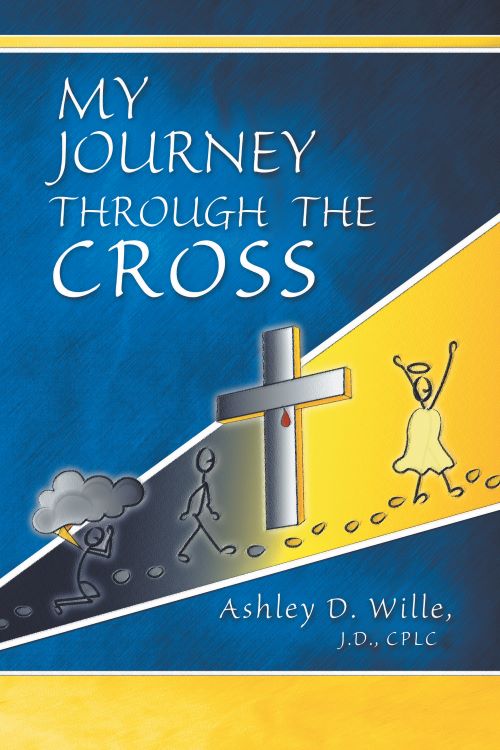
As Ashley D. Wille reflects in My Journey Through the Cross, emotional pain often becomes part of a deeper spiritual journey toward surrender, healing, and dependence on God. She describes seasons of inner struggle, emotional exhaustion, and longing for peace before finding comfort in God’s presence and truth.
What Is Emotional Trauma From a Christian Perspective?
Emotional trauma is the deep emotional response caused by distressing experiences that overwhelm a person’s ability to cope. Trauma can stem from childhood neglect, abuse, divorce, betrayal, grief, accidents, rejection, or spiritual manipulation.
Unlike ordinary stress, trauma leaves lasting emotional effects that may continue for months or years. From a biblical perspective, emotional wounds affect the whole person—mind, heart, body, and spirit.
Common signs of unresolved trauma include:
- Anxiety and panic attacks
- Emotional numbness
- Hypervigilance
- Difficulty trusting others
- Fear of intimacy
- Shame and self-condemnation
- Persistent sadness
- Anger or emotional outbursts
Many Christians mistakenly believe strong faith means ignoring emotional pain. However, the Bible repeatedly shows God caring for emotionally wounded people.
Psalm 34:18 says:
“The Lord is close to the brokenhearted and saves those who are crushed in spirit.”
This verse reminds believers that God does not distance Himself from suffering people—He draws near to them.
The Bible and Emotional Healing
Throughout Scripture, God ministers to emotionally burdened individuals. Many biblical figures experienced fear, grief, betrayal, loneliness, and despair.
David’s Emotional Struggles
David openly expressed anxiety, sorrow, and emotional exhaustion in the Psalms. Instead of hiding his pain, he brought it honestly before God.
Elijah’s Burnout and Depression
After intense spiritual battles, Elijah became overwhelmed and wanted to give up on life. God responded with gentleness, rest, nourishment, and reassurance rather than condemnation.
Job’s Grief and Loss
Job endured devastating suffering yet continued seeking God in the middle of confusion and heartbreak.
Peter’s Failure and Restoration
After denying Jesus, Peter carried deep shame and regret. Christ restored him through grace and love rather than rejection.
These examples reveal that emotional healing through God is not about pretending pain does not exist. Healing begins when pain is brought honestly before the Lord.
How Trauma Affects the Mind, Body, and Spirit
Modern trauma research shows that emotional trauma impacts the nervous system, thoughts, emotions, and even physical health. This aligns with the biblical truth that humans are deeply interconnected beings.
Trauma responses commonly include:
- Fight
- Flight
- Freeze
- Fawn
These reactions are survival mechanisms that occur when the brain perceives danger.
For many believers, trauma also affects their spiritual life. Some begin to fear God, feel abandoned, or struggle to trust Him fully.
Ashley D. Wille describes how childhood experiences and emotional wounds distorted her perception of God’s character, causing fear and emotional distance in her relationship with Him. Her testimony reflects how unresolved emotional pain can shape spiritual beliefs and relationships.
This is why healing emotional wounds biblically involves renewing both the mind and heart through truth.
Romans 12:2 teaches believers to be transformed through the renewing of the mind. Healing often begins when harmful beliefs are replaced with God’s truth.
Christian Healing From Emotional Trauma Begins With Surrender
One of the greatest obstacles to healing is emotional suppression. Many people try to stay busy, appear strong, or avoid painful memories altogether.
Yet God invites honesty rather than performance.
In the Psalms, David lamented openly before God. Jesus Himself wept during moments of grief. Scripture never teaches believers to deny emotional pain.
True Christian trauma recovery starts when individuals stop hiding and begin surrendering their wounds to Christ.
Ashley D. Wille writes about reaching a point of desperation where she longed for deeper healing and peace beyond outward religion. Her journey illustrates how surrender often becomes the doorway to spiritual restoration.
God does not ask wounded people to heal themselves before approaching Him. He invites them to come as they are.
Matthew 11:28 says:
“Come to me, all you who are weary and burdened, and I will give you rest.”
Practical Steps for Christian Emotional Healing
While healing journeys differ for every person, several practical steps can support overcoming trauma through faith.
Spend Daily Quiet Time With God
Consistent prayer, worship, and Scripture meditation help calm the mind and strengthen spiritual stability.
Creating space for stillness allows believers to hear God’s truth above fear and anxiety.
Ashley D. Wille repeatedly emphasizes learning stillness before God and focusing on His presence rather than distractions.
Use Scripture to Reframe Negative Thoughts
Trauma often creates destructive beliefs such as:
- “I am unlovable.”
- “I am unsafe.”
- “God abandoned me.”
- “I will never heal.”
The Bible counters these lies with truth about identity, worth, and God’s faithfulness.
Practice Forgiveness Carefully
Forgiveness is an important part of healing, but forgiveness does not mean excusing abuse or enabling harmful behavior.
Healthy forgiveness releases bitterness while still maintaining wisdom and boundaries.
Build Safe Christian Community
Isolation often deepens emotional pain. Trusted Christian friends, mentors, pastors, or support groups can provide encouragement and accountability.
Healing frequently happens in safe relationships where people feel seen, heard, and supported.
Establish Healthy Boundaries
Many trauma survivors struggle with boundaries because of fear, guilt, or people-pleasing habits.
Biblical boundaries protect emotional, spiritual, and mental health while encouraging healthy relationships.
Is Christian Therapy Biblical?
Some believers hesitate to seek counseling because they fear it reflects weak faith. However, Scripture repeatedly encourages wisdom, counsel, and support.
Proverbs 11:14 says:
“Where there is no guidance, a people falls, but in an abundance of counselors there is safety.”
Christian counseling for trauma can help individuals process painful experiences in healthy ways while remaining grounded in biblical truth.
Trauma-informed approaches such as:
- EMDR
- Cognitive Behavioral Therapy (CBT)
- nervous system regulation
- grief counseling
may complement spiritual healing rather than oppose it.
Seeking help is not a lack of faith. Often, it is an act of humility and courage.
Bible Verses for Emotional Healing
Many believers find comfort and strength through Scripture during emotional recovery.
Scriptures for Fear and Anxiety
- Isaiah 41:10
- Philippians 4:6–7
- 2 Timothy 1:7
Scriptures for Grief and Loss
- Psalm 34:18
- Matthew 5:4
- Revelation 21:4
Scriptures for Shame and Rejection
- Romans 8:1
- Ephesians 1:7
- Isaiah 43:1
Scriptures for Peace and Rest
- Matthew 11:28–30
- John 14:27
- Psalm 23
Meditating on these verses regularly can strengthen emotional resilience and spiritual peace.
A Daily Healing Routine for Emotional Peace
Creating healthy spiritual rhythms can support long-term emotional restoration in Christ.
Morning Prayer and Grounding
Begin the day by surrendering fears and emotions to God.
Simple breath prayers such as:
“Jesus, give me peace.”
can calm anxious thoughts.
Worship and Gratitude
Worship shifts focus away from fear and toward God’s faithfulness.
Practicing gratitude helps retrain the mind to recognize hope and beauty even during difficult seasons.
Journaling
Writing prayers, emotions, and reflections can help process emotional pain safely.
Ashley D. Wille’s deeply reflective writing demonstrates how journaling and honest spiritual reflection can uncover hidden wounds and bring healing insight.
Evening Reflection
Ending the day with prayer, forgiveness, and surrender promotes emotional rest and spiritual peace.
Common Mistakes Christians Make During Trauma Recovery
Many believers unintentionally slow their healing process by embracing harmful misconceptions.
Hiding Pain Behind “Strong Faith”
Suppressing emotions does not remove them. Hidden pain often resurfaces later through anxiety, burnout, or emotional breakdowns.
Expecting Instant Healing
God sometimes heals instantly, but emotional restoration is often a gradual journey.
Isolating From Others
Healing rarely happens completely alone. Safe relationships are essential for recovery.
Ignoring Physical and Emotional Exhaustion
Sleep, nutrition, rest, and stress management also influence emotional health.
God designed human beings with emotional and physical needs that should not be neglected.
Finding Peace Through Faith
The journey of Christian healing from emotional trauma is not about becoming emotionally perfect overnight. It is about learning to walk daily with Christ through pain, restoration, and renewal.
Trauma may shape parts of a person’s story, but it does not define their identity.
Jesus offers hope to the weary, peace to the anxious, and healing to the brokenhearted. Through prayer, Scripture, wise support, healthy boundaries, and God’s presence, believers can experience lasting transformation.
Ashley D. Wille’s reflections beautifully capture this ongoing process of surrender and spiritual growth through suffering. Her journey reminds readers that healing is not merely about escaping pain but discovering God’s presence within it.
If you are struggling with emotional wounds today, remember this truth:
God sees your pain, understands your story, and walks with you toward healing. Your journey is not over, and peace through Christ is still possible, Christian healing from emotional trauma.