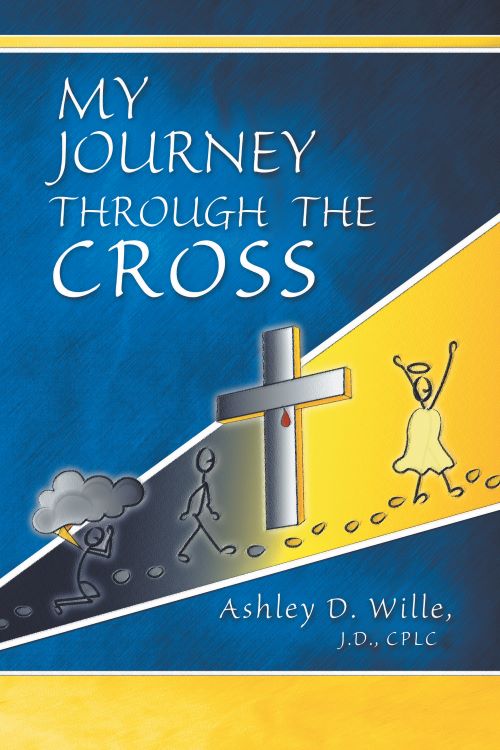

Emotional wounds can cut deeper than physical injuries. The pain of rejection, betrayal, grief, loss, trauma, or disappointment often leaves scars that linger long after the event has passed. Many people silently carry burdens that affect their relationships, faith, and daily lives. Yet Scripture offers hope for those who are hurting. Through Biblical Healing for Wounded Hearts Through God’s Love, believers can experience genuine restoration, renewed peace, and lasting joy.
God never intended for His children to remain trapped in emotional pain. Throughout the Bible, He reveals Himself as a loving Father who comforts the brokenhearted, restores damaged lives, and heals wounded souls. If you are struggling with emotional scars, this guide will help you understand how God heals the brokenhearted and how His love can transform your heart.
What Does the Bible Mean by a Wounded Heart?
A wounded heart refers to emotional, spiritual, or relational pain that affects a person’s inner well-being. While physical wounds may heal with time, emotional injuries often require deeper restoration.
Common causes of heart wounds include:
- Rejection from loved ones
- Betrayal by friends or family
- Divorce or broken relationships
- Grief after losing someone special
- Abuse or trauma
- Unmet expectations
- Feelings of abandonment
The Bible acknowledges these struggles. King David often wrote about his pain, fear, and sorrow, yet he continually turned to God for comfort and healing.
Signs that your heart may need healing include:
- Persistent anxiety
- Fear and insecurity
- Bitterness toward others
- Emotional numbness
- Difficulty trusting people
- Loss of hope or joy
Recognizing these symptoms is the first step toward biblical healing for emotional wounds.
God’s Heart for Healing the Brokenhearted
Scripture repeatedly reminds us that God heals all wounds and restores those who place their trust in Him.
One of the most comforting truths in Scripture is that God deeply cares about our pain. He is not distant from our suffering but actively works to restore us.
Psalm 147:3 declares:
“He heals the brokenhearted and binds up their wounds.”
This powerful promise reveals God’s compassionate nature. He does not ignore emotional pain. Instead, He lovingly ministers to wounded hearts.
Throughout Scripture, we see examples of God’s care for hurting people. Whether it was Hannah’s grief, Joseph’s betrayal, or David’s anguish, God consistently brought comfort and restoration.
Understanding that God’s love heals emotional pain is foundational to the healing journey. His love is not conditional on performance or perfection. It is freely given and available to every believer.
How God’s Love Heals Emotional and Spiritual Wounds
Many people attempt to heal emotional wounds through distractions, achievements, or unhealthy coping mechanisms. While these methods may temporarily mask pain, they rarely provide lasting healing.
Only God’s love reaches the deepest places of the human heart.
God’s Love Removes Shame
Many wounded individuals carry shame from past mistakes, failures, or painful experiences. God’s love reminds us that our identity is found in Christ, not in our past.
Through His grace, believers can experience freedom from guilt and condemnation.
God’s Love Restores Identity
Emotional wounds often distort how we see ourselves. Rejection may cause someone to feel unworthy, while betrayal can create feelings of inadequacy.
The truth is that every believer is loved, chosen, and valued by God. Understanding this truth plays a vital role in healing through God’s love.
God’s Love Replaces Fear with Peace
Fear frequently accompanies emotional wounds. However, when believers trust God’s promises, fear gradually loses its grip.
God’s presence brings peace that surpasses human understanding and helps individuals move forward in faith.
A Biblical Step-by-Step Process for Healing a Wounded Heart
Learning about letting God heal your wounded heart can help believers surrender their pain and embrace God’s restoration.
While healing is often a journey rather than an instant event, Scripture provides practical guidance for restoration.
Step 1: Acknowledge the Pain
Healing begins when we honestly recognize our wounds. Suppressing emotions often prolongs suffering.
God invites believers to bring their burdens to Him openly and honestly.
Step 2: Bring Your Hurt to God in Prayer
Prayer creates space for God to minister directly to our hearts.
Sharing your fears, disappointments, and struggles with God allows Him to bring comfort and perspective.
Step 3: Meditate on Healing Scriptures
The Word of God renews the mind and strengthens faith.
Reading passages focused on healing wounded hearts scripture helps replace negative thoughts with biblical truth.
Step 4: Surrender Control to God
Many people struggle because they want immediate answers or solutions. True healing often requires surrendering control and trusting God’s timing.
Step 5: Receive God’s Comfort
The Holy Spirit is called the Comforter for a reason. He provides peace, encouragement, and strength during difficult seasons.
Step 6: Walk Daily in Faith
Healing is often maintained through consistent spiritual growth. Daily prayer, worship, and Scripture study nurture continued restoration.
This process supports Christian emotional healing and helps believers experience lasting transformation.
The Powerful Role of Forgiveness in Biblical Healing
One of the greatest barriers to emotional healing is unforgiveness.
When people hold onto bitterness, anger, or resentment, those emotions often deepen emotional wounds.
Forgiveness does not mean excusing harmful behavior or pretending the pain never happened. Instead, it means releasing the offense to God and allowing Him to handle justice.
Why Unforgiveness Delays Healing
Unforgiveness can:
- Increase emotional stress
- Fuel bitterness
- Create spiritual stagnation
- Damage relationships
What Biblical Forgiveness Really Means
Biblical forgiveness involves choosing obedience even when emotions remain difficult.
As believers forgive, God often begins restoring peace and freedom within the heart.
Understanding the connection between forgiveness and healing is essential for anyone seeking complete restoration.
Healing Trauma and Deep Emotional Pain Through God’s Love
Many individuals wonder whether God can heal trauma. The answer is yes.
The Bible contains numerous examples of people who experienced profound suffering yet found restoration through God’s grace.
Joseph endured betrayal, slavery, and imprisonment before God redeemed his story. Ruth experienced devastating loss before God provided hope and purpose.
Similarly, believers today can experience spiritual healing from trauma through God’s love and guidance.
Renewing the Mind Through Scripture
Trauma often affects thought patterns and emotional responses. God’s Word helps transform the mind and strengthen faith.
Meditating on Scripture helps believers replace fear with truth and hopelessness with confidence.
Seeking Christian Support
While prayer is essential, many people also benefit from biblical counseling, pastoral care, or Christian mentorship.
Combining faith with wise support can accelerate faith and emotional recovery.
Bible Verses for Healing a Wounded Heart
For additional healing Bible verses, believers can study passages that reveal God’s promises of comfort, restoration, and hope.
Scripture provides powerful encouragement for those seeking God’s promises for healing.
Psalm 34:18
“The Lord is close to the brokenhearted and saves those who are crushed in spirit.”
Isaiah 41:10
“Fear not, for I am with you.”
Matthew 11:28
“Come to me, all who labor and are heavy laden, and I will give you rest.”
Romans 8:38-39
Nothing can separate believers from God’s love.
Revelation 21:4
God promises a future without pain, sorrow, or tears.
These verses offer hope for anyone pursuing biblical restoration of the heart.
Obstacles That Can Prevent Heart Healing
Several barriers can slow the healing process.
Bitterness
Holding onto resentment often prolongs emotional suffering.
Fear
Fear can prevent people from trusting God fully.
Shame
Shame keeps many individuals trapped in their past.
Unbelief
Doubting God’s ability to heal can hinder spiritual growth.
Isolation
Healing often occurs within supportive Christian communities.
Recognizing and addressing these obstacles can strengthen your Christian healing journey.
Practical Daily Habits for Emotional and Spiritual Healing
Developing healthy spiritual disciplines supports ongoing restoration.
Daily Prayer
Prayer deepens intimacy with God and provides emotional release.
Scripture Meditation
Consistent Bible study strengthens faith and renews the mind.
Worship and Gratitude
Worship shifts focus from problems to God’s faithfulness.
Biblical Journaling
Writing prayers, reflections, and lessons can promote emotional clarity.
Christian Community
Trusted believers provide encouragement, accountability, and support.
These habits encourage spiritual restoration and strengthen long-term healing.
Signs God Is Healing Your Heart
Healing often happens gradually rather than instantly.
Common signs include:
- Increased peace
- Renewed joy
- Greater emotional stability
- Improved relationships
- Stronger faith
- Reduced fear and anxiety
As healing progresses, many believers discover a deeper understanding of God’s comfort in suffering and His unwavering faithfulness.
Trusting God’s Timing in the Healing Process
Even when healing feels delayed, believers can trust that God heals the brokenhearted according to His perfect timing.
One of the hardest aspects of recovery is waiting.
Many people ask why healing takes time. While God can perform miracles instantly, He often uses the healing journey to develop spiritual maturity, dependence on Him, and deeper faith.
Trusting God’s timing requires patience and perseverance.
Remember that every step forward matters, even when progress feels slow.
Real-Life Transformation Through God’s Healing Love
Throughout history, countless believers have experienced healing from rejection, healing from grief, and restoration after heartbreaking circumstances.
God specializes in bringing beauty from ashes.
As wounded hearts experience His love, many discover renewed purpose, stronger faith, and healthier relationships.
The same God who healed hearts in biblical times continues to heal today.
Conclusion
The journey toward Biblical Healing for Wounded Hearts Through God’s Love begins with recognizing your pain and bringing it before God. Through prayer, Scripture, forgiveness, faith, and the power of His unconditional love, true healing is possible.
No wound is too deep for God to restore. No heartbreak is beyond His ability to heal.
Whether you are facing grief, rejection, betrayal, trauma, or emotional pain, remember that God sees your suffering, understands your struggles, and desires your restoration.
As you continue seeking Him, you can experience overcoming hurt through faith, discover lasting peace, and embrace the hope found in God heals the brokenhearted.
If this article encouraged you, share it with someone who may need hope today, and continue exploring God’s promises for healing and restoration.