
People carry heavy burdens every day. Stress, grief, family conflict, and loneliness affect many lives. Professional therapy helps many people, yet some individuals first look for support from someone they trust. This is where lay counseling plays an important role.
Lay counseling means helping others through caring conversation, guidance, and support without being a licensed therapist. A trained volunteer, church member, mentor, or trusted friend can offer emotional support, peer counseling, and community care.
Research from the World Health Organization shows that strong social support improves mental well-being and reduces stress. People recover faster when they feel heard and supported.
This article explains how lay counseling helps others, the key skills involved, and how you can safely support someone in need. If you want to care for others and strengthen your community, this guide will help you begin.
What Is Lay Counseling?
Lay counseling is a form of peer support where trained volunteers help others through conversation, empathy, and practical guidance. These helpers do not diagnose mental illness. They listen, encourage, and guide people to healthy solutions.
Many communities use lay counseling programs because they increase access to mental health support.
Examples include:
- Church members offering Christian lay counseling
- Community volunteers providing peer counseling
- Mentors helping youth handle stress
- Support groups offering emotional support
A study published by the American Psychological Association reports that peer support programs can improve coping skills and reduce feelings of isolation.
This simple model helps people feel less alone.
Why Lay Counseling Matters Today
Many people struggle silently. Some feel embarrassed to seek therapy. Others cannot access professional care.
This gap is where lay counseling helps.
Key reasons it matters:
1. People need someone who will listen
Many problems begin with isolation. Active listening allows people to share pain and release stress.
2. Communities become stronger
Community care builds trust and compassion among neighbors.
3. Early support prevents bigger problems
Early emotional support can prevent deeper anxiety or depression.
4. Faith communities often lead the effort
Many churches train volunteers for Christian lay counseling and faith-based counseling.
According to research from the National Alliance on Mental Illness, strong peer support networks improve recovery outcomes for people facing emotional challenges.
Essential Skills for Effective Lay Counseling
Anyone can care for others, but effective lay counseling requires specific skills.
1. Active Listening
Active listening means giving full attention to the speaker.
A good listener:
- Maintains eye contact
- Avoids interrupting
- Reflects what the person says
- Shows empathy
Simple phrases help:
- “I hear you.”
- “That sounds very hard.”
- “Thank you for sharing that.”
This builds trust.
2. Empathy and Compassion
Empathy means understanding another person’s feelings.
A strong lay counselor does not judge or criticize. Instead, they show patience and kindness.
This creates a safe place for honest conversation.
3. Encouragement and Hope
People often seek emotional support because they feel stuck.
Encouragement helps them see possibilities.
Helpful statements include:
- “You are not alone.”
- “You have handled hard things before.”
- “There is hope.”
These words can lift someone’s spirit.
4. Healthy Boundaries
Lay counseling does not replace professional therapy.
Good helpers know their limits.
They refer someone to a professional when:
- There is severe depression
- Someone talks about self-harm
- Trauma requires specialized care
Knowing when to refer protects both people.
The Role of Faith-Based Counseling in Lay Support
Many people look for guidance through faith.
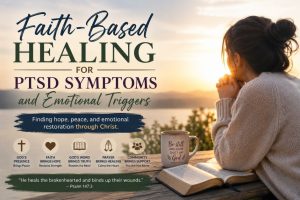
Faith-based counseling connects spiritual encouragement with emotional care.
Churches often train members for Christian lay counseling so they can support others with compassion and biblical wisdom.
Benefits include:
- Shared beliefs
- Strong community bonds
- Spiritual encouragement
- Prayer and support
Studies show that spiritual support improves coping during stress and grief.
Faith can provide meaning and hope during difficult times.
How to Start Helping Others Through Lay Counseling
You do not need a degree to begin learning helpful skills.
Here are simple steps to start.
Step 1: Learn Basic Counseling Skills
Many organizations offer training in:
- Active listening
- Conflict resolution
- Emotional support skills
- Crisis awareness
Church programs and community groups often provide workshops.
Step 2: Practice Listening First
Resist the urge to solve every problem.
Listening often helps more than advice.
People feel relief when someone truly hears them.
Step 3: Create a Safe Conversation Space
A person should feel comfortable sharing feelings.
You can create safety by:
- Respecting privacy
- Avoiding judgment
- Speaking with kindness
Trust grows slowly.
Step 4: Encourage Healthy Action
After listening, you may help someone think through possible next steps.
Examples include:
- Talking to a family member
- Seeking professional mental health support
- Joining a support group
- Practicing stress management
Small steps lead to progress.
Ethical Guidelines for Lay Counseling
Helping others brings responsibility.
Good lay counseling follows clear ethical principles.
Confidentiality
Respect privacy.
Do not share personal information unless someone is in danger.
Honesty
Admit when you do not know the answer.
Offer guidance with humility.
Respect
Honor each person’s dignity and choices.
Every person deserves compassion.
Referral When Needed
If someone faces serious mental health issues, guide them to a licensed professional.
This step protects everyone involved.
Benefits of Peer Counseling and Community Support
Communities that practice peer counseling often see powerful results.
Stronger relationships
People trust each other more.
Reduced loneliness
Regular conversations increase social connection.
Better coping skills
Support helps people manage stress.
Greater emotional resilience
Encouragement helps individuals recover faster.
Researchers from Harvard Medical School report that supportive relationships improve both mental and physical health.
Human connection is powerful.
Common Challenges in Lay Counseling
Even caring helpers face challenges.
Emotional fatigue
Listening to painful stories can feel heavy.
Self-care is important.
Take breaks when needed.
Fear of saying the wrong thing
Many helpers worry about giving poor advice.
Remember: listening matters more than perfect words.
Boundary confusion
Some people rely too heavily on a helper.
Clear limits protect both sides.
Healthy lay counseling balances care with boundaries.
Practical Tips for Better Lay Counseling Conversations
Here are helpful tips you can apply today.
Ask open questions
Examples:
- “How are you feeling about this?”
- “What worries you most right now?”
Reflect emotions
You might say:
- “It sounds like you feel overwhelmed.”
Avoid quick solutions
People often need understanding first.
Offer hope
Simple encouragement strengthens resilience.
These small actions make lay counseling more effective.
Frequently Asked Questions (FAQs)
1. What is the difference between lay counseling and professional therapy?
Lay counseling provides peer support, emotional encouragement, and listening. Professional therapists diagnose conditions and provide clinical treatment.
Both forms of support can work together.
2. Can anyone practice lay counseling?
Yes. Anyone can learn active listening, empathy, and supportive communication. Many churches and community groups offer training in lay counseling skills.
3. When should a lay counselor refer someone to a professional?
Referral is important if someone shows signs of:
- Severe depression
- Suicidal thoughts
- Trauma
- Addiction
- Serious mental illness
Licensed therapists provide specialized care in these situations.
4. Is lay counseling effective?
Yes. Research shows that peer counseling and strong community support improve emotional well-being and reduce loneliness.
Supportive relationships help people recover faster from stress.
5. What are the most important lay counseling skills?
The most important skills include:
- Active listening
- Empathy
- Encouragement
- Healthy boundaries
- Respectful communication
These skills build trust and create meaningful conversations.
A Journey of Healing, Grace, and Spiritual Transformation
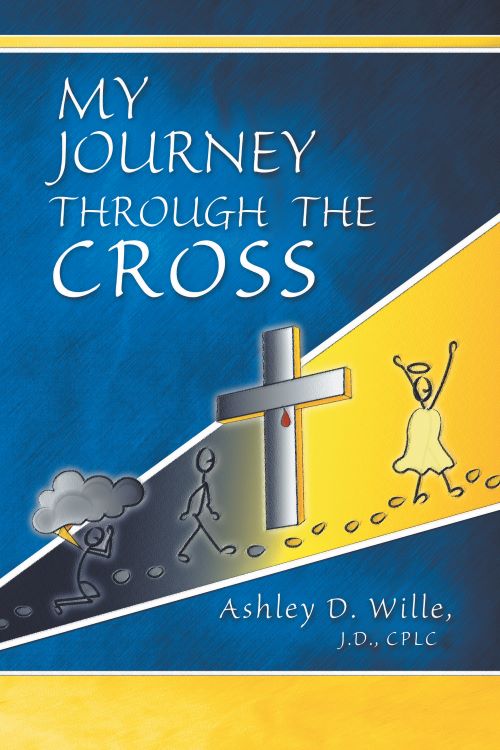
Helping others through lay counseling often leads to something deeper than simple advice. Many people who seek help are walking through pain, loss, confusion, or deep emotional wounds. When a caring listener offers support, that moment can begin a journey through the cross spiritual transformation.
This kind of journey changes a person from the inside. Through faith, prayer, and compassionate guidance, many people experience Christian healing through suffering testimony. Pain does not disappear overnight, but people begin to understand that suffering can lead to growth, wisdom, and stronger faith.
Lay counselors often help individuals move away from pressure and guilt that come from constant spiritual effort. Instead, they learn the beauty of resting in grace beyond religious striving. Grace reminds people that they are loved by God even in weakness, failure, or confusion.
Another powerful part of this healing process is breaking spiritual strongholds through intimacy with God. Many struggles come from fear, shame, bitterness, or past wounds. Through prayer, Scripture, and honest conversation, people begin to release these burdens and grow stronger in faith.
For some individuals, the deepest pain comes from rejection or neglect in their past. Lay counseling can guide them toward Christian identity healing from emotional abandonment. When people understand their identity in Christ, they begin to see themselves as valued, loved, and purposeful.
This process does not happen quickly, but step by step, hearts begin to change. Through compassionate listening, faith-centered support, and gentle guidance, lay counseling becomes a tool that helps people rediscover hope, peace, and a renewed relationship with God.
Many people feel alone in their struggles. A caring conversation can bring relief, clarity, and hope.
Lay counseling allows everyday people to offer emotional support, strengthen community care, and help others face life’s challenges. When practiced with empathy, wisdom, and clear boundaries, it becomes a powerful tool for healing.
You do not need to solve every problem. Your willingness to listen may already change someone’s day.
Small acts of compassion can build stronger communities.
Have you ever supported someone through a difficult time?
Share your experience in the comments. Your story may encourage others to practice lay counseling and bring hope to someone who needs it.
If you found this guide helpful, share it with friends, church members, or community leaders who want to strengthen peer counseling and community support in their area.