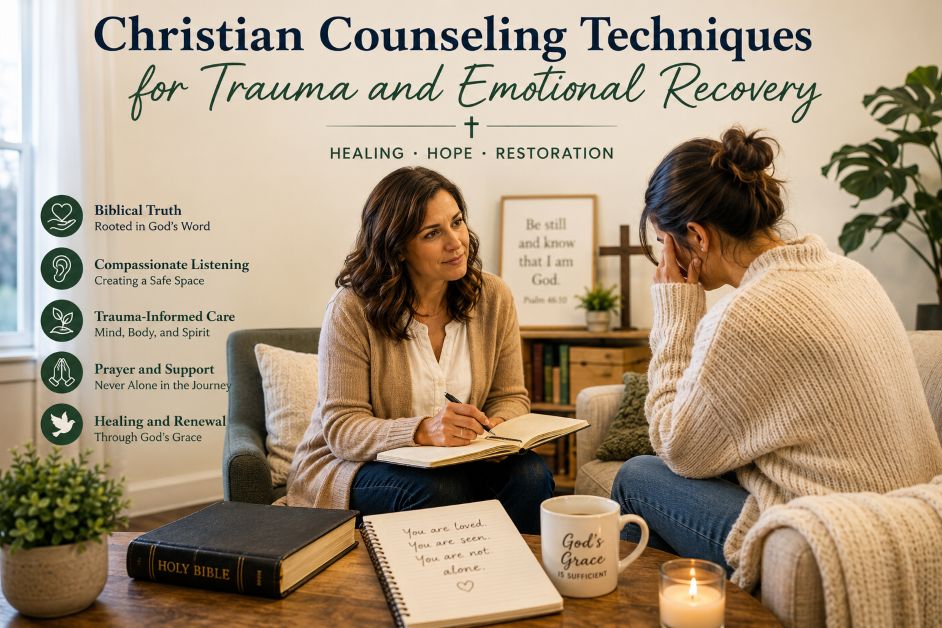
The encouraging truth is that healing is possible. Through Christian counseling techniques for trauma, believers can experience emotional restoration, renewed identity, and deeper peace through God’s grace. Christian counseling combines biblical truth, emotional healing strategies, practical recovery tools, and compassionate support to help individuals recover from emotional pain and trauma.
Trauma can leave invisible wounds that affect emotions, relationships, thoughts, and spiritual life for years. Many people silently struggle with anxiety, fear, emotional numbness, shame, panic attacks, or difficulty trusting others because of painful experiences from the past. Even devoted believers sometimes wonder why emotional healing feels so difficult despite prayer and faith.
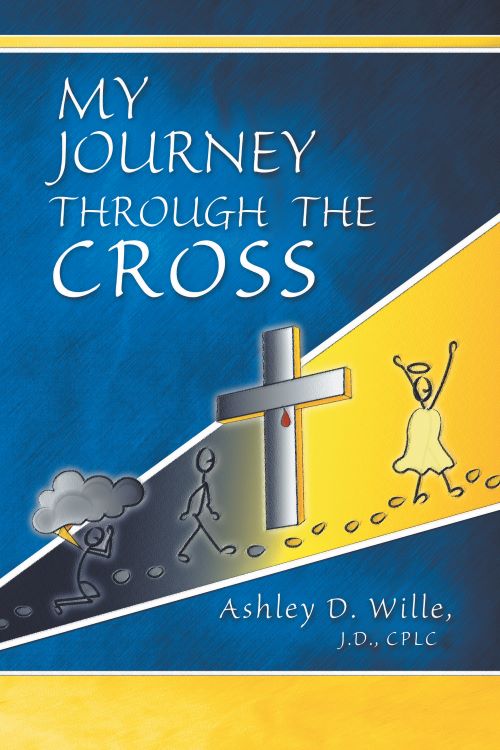
Ashley D. Wille’s My Journey Through the Cross beautifully reflects themes of surrender, emotional healing, spiritual renewal, and learning to rest in God’s grace beyond performance-driven faith. Her reflections reveal how emotional wounds and spiritual struggles can eventually lead to deeper intimacy with God and personal transformation.
For many believers, trauma recovery becomes a Journey through the cross spiritual transformation where suffering is not wasted but redeemed through God’s presence and healing work.
What Is Trauma From a Christian Counseling Perspective?
Trauma is the emotional and psychological response to deeply distressing experiences that overwhelm a person’s sense of safety and stability. Trauma may come from:
- childhood abuse,
- neglect,
- abandonment,
- betrayal,
- grief,
- accidents,
- emotional manipulation,
- church hurt,
- or relational rejection.
From a biblical perspective, trauma affects the whole person—mind, body, emotions, and spirit.
Many people experiencing Christian trauma counseling struggle with symptoms such as:
- anxiety,
- panic attacks,
- emotional numbness,
- hypervigilance,
- shame,
- trust issues,
- fear of rejection,
- and emotional exhaustion.
Trauma can also distort spiritual beliefs. Some individuals begin believing:
- “God abandoned me.”
- “I am unworthy.”
- “I am unsafe.”
- “I will never heal.”
These emotional wounds often require both spiritual and emotional healing.
Why Christian Counseling Matters in Trauma Recovery
One of the greatest strengths of trauma-informed Christian counseling is its ability to combine biblical truth with emotional healing practices.
Christian counseling recognizes:
- the importance of Scripture,
- the power of prayer,
- emotional processing,
- nervous system regulation,
- healthy relationships,
- and compassionate support.
Psalm 34:18 says:
“The Lord is close to the brokenhearted and saves those who are crushed in spirit.”
This verse reminds believers that God is not distant from emotional pain. He moves toward wounded people with compassion and healing.
Ashley D. Wille’s reflections reveal how emotional struggles and spiritual confusion gradually gave way to healing as she learned the importance of surrendering emotional burdens to God rather than striving endlessly for perfection. This reflects the powerful theme of Resting in grace beyond religious striving that many trauma survivors deeply need.
Understanding Trauma Responses and Emotional Triggers
Trauma affects the nervous system and often creates automatic survival responses.
These include:
- Fight
- Flight
- Freeze
- Fawn
For example:
- some people become defensive during conflict,
- others emotionally shut down,
- some avoid relationships,
- while others become people-pleasers to avoid rejection.
Why Trauma Triggers Happen
Triggers occur when situations remind the brain and body of past danger.
A simple criticism, raised voice, rejection, or stressful situation may reactivate emotional fear even when no current danger exists.
This is why many individuals need both emotional support and biblical counseling for trauma to help retrain unhealthy thought patterns and emotional responses.
Trauma and False Identity Beliefs
Trauma often creates damaging beliefs such as:
- “I am unwanted.”
- “I am broken.”
- “I am unsafe.”
- “I am unlovable.”
Christian counseling helps replace these lies with biblical truth and supports Christian identity healing from emotional abandonment by reminding believers that their identity is rooted in Christ rather than painful past experiences.
Romans 12:2 teaches believers to be transformed through the renewing of the mind. Healing begins when destructive beliefs are replaced with God’s truth.
Core Christian Counseling Techniques for Trauma Recovery
Effective Christian counseling techniques for trauma combine emotional healing methods with spiritual support and biblical wisdom.
Active Listening and Emotional Validation
One of the most important counseling techniques is creating emotional safety.
Trauma survivors often carry deep fear of rejection or judgment. Compassionate listening helps individuals feel heard, valued, and emotionally safe.
Validation does not excuse harmful behavior—it acknowledges emotional pain honestly.
Simple responses such as:
- “That experience sounds painful.”
- “Your emotions make sense.”
- “You are not alone.”
can help reduce shame and emotional isolation.
Prayer-Based Emotional Processing
Prayer is not simply a religious ritual. In Christian counseling, prayer becomes a safe place for emotional honesty and surrender.
Many trauma survivors suppress emotions for years. Counseling often encourages honest prayer about:
- fear,
- anger,
- grief,
- shame,
- and disappointment.
Ashley D. Wille’s reflections repeatedly emphasize the healing that came through honest surrender and deeper intimacy with God. Her spiritual journey demonstrates the importance of Breaking spiritual strongholds through intimacy with God rather than relying only on outward religious performance.
Scripture Meditation and Cognitive Renewal
Trauma often fills the mind with fear-based thinking and self-condemnation.
Christian therapy techniques frequently use Scripture meditation to help renew thought patterns.
Examples include:
- meditating on Psalm 23 during anxiety,
- reading Isaiah 41:10 during fear,
- reflecting on Romans 8:1 when struggling with shame.
Replacing lies with truth strengthens emotional resilience and spiritual peace.
Grounding Techniques for Anxiety and Panic
Many trauma survivors experience panic attacks or emotional overwhelm.
Helpful grounding techniques may include:
- slow breathing,
- focusing on physical surroundings,
- calming worship music,
- breath prayers,
- sensory grounding exercises.
These practices help calm the nervous system while reinforcing spiritual stability.
Journaling for Emotional Healing
Journaling allows individuals to process emotions honestly and identify emotional patterns.
Helpful prompts include:
- “What emotional wounds still affect me today?”
- “What lies do I believe about myself?”
- “What truth does God say instead?”
This reflective process often supports deeper emotional healing through God.
Nervous System Healing and Christian Counseling
Modern trauma research shows that trauma affects both the brain and body.
The nervous system may remain stuck in survival mode long after traumatic experiences end.
Symptoms may include:
- chronic anxiety,
- panic,
- emotional exhaustion,
- hypervigilance,
- sleep difficulties,
- and emotional shutdown.
Why the Body Stores Trauma
Trauma memories are often stored physically and emotionally in the body.
This explains why certain situations can create intense reactions even years later.
Christian counseling increasingly recognizes the importance of calming the nervous system alongside spiritual healing.
Calming the Nervous System Through Safe Practices
Helpful practices may include:
- stillness,
- prayer,
- worship,
- slow breathing,
- healthy sleep habits,
- physical movement,
- time in nature,
- and safe relationships.
Ashley D. Wille’s reflections consistently point toward finding peace through surrender, quietness, and dependence on God rather than striving through fear and exhaustion.
For many believers, this becomes a form of Christian healing through suffering testimony, where painful experiences ultimately lead to deeper spiritual intimacy and emotional transformation.
Christian Counseling Techniques for Childhood Trauma
Childhood trauma often creates deep emotional wounds that continue affecting adulthood.
These wounds may involve:
- rejection,
- abandonment,
- criticism,
- neglect,
- or emotional instability.
Healing Shame and Fear
Many trauma survivors carry deep shame that affects relationships and spiritual identity.
Christian counseling helps individuals recognize that shame is not their identity.
Restoring Identity in Christ
Healing involves learning biblical truth about identity.
Through Christ, believers are:
- loved,
- accepted,
- chosen,
- forgiven,
- and valued.
This process of Christian identity healing from emotional abandonment helps replace rejection with security in God’s love.
Rebuilding Trust and Emotional Safety
Trauma survivors often struggle to trust others.
Safe relationships, healthy boundaries, and compassionate support become essential parts of healing.
Christian Counseling Techniques for Anxiety and Panic
Trauma-related anxiety can affect both emotional and physical health.
Symptoms may include:
- racing thoughts,
- fear,
- rapid heartbeat,
- difficulty sleeping,
- emotional overwhelm.
Using Scripture During Panic Attacks
Many counselors encourage calming Scripture meditation during anxiety episodes.
Helpful verses include:
- Isaiah 41:10,
- Philippians 4:6–7,
- 2 Timothy 1:7.
Breathing and Grounding Prayer Exercises
Simple prayers such as:
“Jesus, help me feel safe.”
combined with slow breathing can help calm both body and mind.
These practices support faith-based trauma recovery while reinforcing emotional regulation.
Is Therapy Biblical? Understanding Christian Counseling and Mental Health
Some believers fear that seeking therapy reflects weak faith. However, Scripture repeatedly encourages wisdom, counsel, and support.
Proverbs 11:14 says:
“Where there is no guidance, a people falls, but in an abundance of counselors there is safety.”
Trauma-Informed Christian Therapy Approaches
Modern Christian counseling for anxiety and trauma recovery may include:
- EMDR,
- Cognitive Behavioral Therapy (CBT),
- somatic therapy,
- grief counseling,
- nervous system regulation techniques.
These methods can work alongside biblical truth rather than against it.
When Professional Trauma Therapy Is Important
Professional support may be necessary when trauma causes:
- PTSD symptoms,
- suicidal thoughts,
- panic attacks,
- dissociation,
- self-harm behaviors,
- or severe emotional dysfunction.
Seeking help is not weakness—it is often a courageous act of healing.
Bible Verses for Trauma Recovery and Emotional Healing
Scripture provides comfort, truth, and emotional reassurance during recovery.
Scriptures for Fear and Anxiety
- Isaiah 41:10
- Philippians 4:6–7
- Psalm 56:3
Scriptures for Shame and Rejection
- Romans 8:1
- Isaiah 43:1
- Ephesians 1:7
Scriptures for Identity and Worth
- Psalm 139:14
- 1 Peter 2:9
- Ephesians 2:10
Scriptures for Peace and Comfort
- John 14:27
- Matthew 11:28–30
- Psalm 23
Regular meditation on these verses supports long-term emotional restoration through Christ.
Healing Is Possible Through God’s Grace and Wise Support
Healing from trauma is rarely instant. It is often a gradual process of surrender, emotional honesty, spiritual renewal, and compassionate support.
Through Christian counseling techniques for trauma, believers can experience healing emotionally, mentally, physically, and spiritually.
Ashley D. Wille’s My Journey Through the Cross reminds readers that suffering does not have to end in despair. Instead, pain can become part of a deeper spiritual journey marked by surrender, intimacy with God, emotional restoration, and renewed peace.
This ongoing process reflects a true Journey through the cross spiritual transformation, where God gently restores wounded hearts through grace rather than striving.
No matter how deep the wounds may feel, healing is possible. God sees the brokenhearted, understands every hidden struggle, and walks patiently beside those seeking restoration.
Through prayer, Scripture, healthy support, emotional honesty, and wise counseling, lasting recovery and peace can begin one step at a time.