
The good news is that God’s design for marriage includes grace-filled, honest, and loving communication. Through Christian communication in marriage, couples can learn how to rebuild trust, strengthen emotional intimacy, and create lasting peace rooted in biblical principles.
Marriage thrives on connection, and connection is built through communication. Words can strengthen intimacy, deepen trust, and create emotional safety—or they can slowly damage a relationship through criticism, misunderstanding, and silence. For many couples, communication struggles become one of the biggest challenges in marriage.
Even Christian couples who genuinely love one another may struggle with recurring arguments, emotional distance, defensiveness, or feeling unheard. Busy schedules, stress, parenting responsibilities, financial pressure, and unresolved emotional wounds can all make healthy communication difficult.
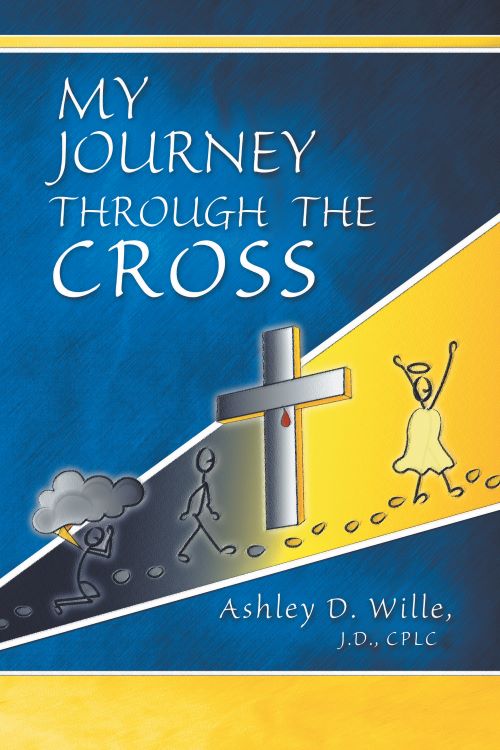
As reflected in Ashley D. Wille’s My Journey Through the Cross, spiritual growth often transforms the way people relate to others. She describes how emotional struggles, fear, and personal wounds influenced relationships before God began reshaping her heart through surrender and healing. This reminder is important because communication in marriage is often deeply connected to emotional and spiritual health.
What Is Christian Communication in Marriage?
At its core, Christian communication in marriage means communicating with honesty, grace, patience, humility, and love while reflecting the character of Christ.
Biblical communication is not simply about talking more—it is about speaking in ways that build unity, understanding, and emotional safety.
Ephesians 4:29 says:
“Do not let any unwholesome talk come out of your mouths, but only what is helpful for building others up according to their needs.”
Healthy communication in marriage involves:
- Active listening
- Respectful speech
- Emotional honesty
- Compassion
- Forgiveness
- Patience during conflict
- Willingness to understand each other
Strong communication strengthens emotional intimacy, trust, and spiritual unity within marriage.
Why Communication Matters in a Christian Marriage
Communication affects every part of married life. When communication becomes unhealthy, couples may experience:
- Frequent arguments
- Emotional disconnection
- Loneliness
- Resentment
- Distrust
- Misunderstandings
- Spiritual distance
On the other hand, healthy communication creates emotional security and deeper connection.
James 1:19 teaches:
“Everyone should be quick to listen, slow to speak and slow to become angry.”
This verse highlights one of the most important principles of biblical communication in marriage: listening before reacting.
Many couples focus heavily on defending themselves during conversations instead of truly understanding one another. However, listening with patience and empathy often prevents unnecessary conflict.
Common Communication Problems in Christian Marriages
Every marriage faces communication challenges at times. Understanding common patterns can help couples identify unhealthy habits before they damage the relationship.
Constant Arguing and Defensiveness
Arguments often escalate when both spouses focus on proving a point rather than solving the issue together.
Defensive communication may sound like:
- “You always do this.”
- “That’s not what happened.”
- “You never understand me.”
These responses create emotional walls instead of resolution.
Emotional Withdrawal and Silence
Some spouses cope with conflict by shutting down emotionally or avoiding conversations altogether.
While silence may temporarily avoid conflict, unresolved issues usually continue growing beneath the surface.
Misunderstandings and Assumptions
Assuming motives instead of asking clarifying questions often creates unnecessary hurt.
Healthy couples learn to ask:
- “Can you help me understand what you meant?”
- “What were you feeling in that moment?”
Communication During Stress
Stress from finances, work, parenting, or ministry responsibilities can easily affect communication.
Ashley D. Wille’s reflections emphasize how emotional exhaustion and internal struggles can shape behavior and relationships when not surrendered to God. Emotional strain often affects how couples speak, react, and respond to each other.
How Emotional Wounds Affect Marriage Communication
Many communication problems are connected to deeper emotional wounds.
Past experiences—including childhood rejection, trauma, betrayal, criticism, or abandonment—can influence how spouses respond during conflict.
For example:
- A spouse who experienced criticism growing up may become highly defensive.
- Someone who fears rejection may avoid difficult conversations.
- A person with unresolved trauma may emotionally shut down during arguments.
These emotional responses are often connected to the brain’s stress responses:
- Fight
- Flight
- Freeze
- Shutdown
Understanding these patterns helps couples communicate with more compassion.
Why Emotional Safety Matters
Emotional safety means both spouses feel respected, heard, valued, and safe expressing thoughts and feelings without fear of humiliation or attack.
Without emotional safety, couples may:
- hide emotions,
- avoid vulnerability,
- become defensive,
- or emotionally disconnect.
Healthy Christian couples communication creates an atmosphere where honesty and vulnerability are welcomed.
Biblical Principles for Healthy Marriage Communication
The Bible provides timeless wisdom for healthy relationships.
Be Quick to Listen and Slow to Speak
Listening is one of the greatest acts of love in marriage.
Instead of preparing a response while your spouse is speaking, focus on understanding their emotions and perspective.
Speak With Gentleness and Respect
Proverbs 15:1 says:
“A gentle answer turns away wrath, but a harsh word stirs up anger.”
Tone matters just as much as words.
Even difficult conversations become healthier when spoken with calmness and respect.
Avoid Harmful Speech
Criticism, sarcasm, insults, contempt, and mockery slowly damage trust and intimacy.
Healthy Christian marriage advice encourages couples to speak words that strengthen rather than destroy.
Practice Honest Transparency
Healthy marriages require openness.
Couples should feel comfortable discussing:
- fears,
- stress,
- emotional needs,
- disappointments,
- dreams,
- and struggles.
Honesty builds trust and emotional closeness.
Learn the Power of Encouragement
Encouragement strengthens emotional connection.
Simple statements like:
- “I appreciate you.”
- “Thank you for helping our family.”
- “I’m proud of you.”
can deeply strengthen a marriage over time.
Practical Communication Habits That Build Trust
Healthy communication is developed through daily habits.
Schedule Weekly Marriage Check-Ins
Set aside intentional time each week to discuss:
- emotional needs,
- family responsibilities,
- schedules,
- finances,
- spiritual growth,
- and relationship concerns.
Regular conversations prevent emotional distance from building.
Practice Active Listening
Active listening involves:
- maintaining eye contact,
- avoiding interruptions,
- paraphrasing what your spouse said,
- validating emotions.
Instead of responding defensively, couples can say:
“I understand why that upset you.”
Validation helps spouses feel emotionally safe.
Learn Healthy Apology Techniques
A meaningful apology goes beyond saying “sorry.”
Healthy apologies include:
- taking responsibility,
- acknowledging hurt,
- expressing empathy,
- and making efforts to repair trust.
For example:
“I realize my words hurt you, and I want to do better.”
Pray Together Consistently
Prayer strengthens spiritual unity and softens hardened hearts.
Couples who pray together often develop deeper empathy, patience, and emotional closeness.
How to Handle Conflict Without Damaging Your Marriage
Conflict itself is not the greatest danger to marriage. The real danger is unhealthy conflict patterns.
Avoid Escalating Arguments
When emotions become intense:
- lower your voice,
- slow down,
- avoid interrupting,
- and stay focused on the issue rather than attacking character.
Replace Blame With Understanding
Instead of:
“You never listen to me.”
try:
“I feel unheard when conversations end quickly.”
This approach reduces defensiveness.
Take Healthy Time-Outs
Sometimes couples need short breaks during emotionally intense discussions.
Healthy pauses allow emotions to calm before continuing the conversation respectfully.
Rebuild Connection After Conflict
After disagreements, couples should intentionally reconnect through:
- prayer,
- affection,
- apology,
- forgiveness,
- and reassurance.
Repairing emotional connection is essential for long-term trust.
Rebuilding Trust Through Christian Communication
Trust can be damaged through:
- dishonesty,
- emotional neglect,
- harsh communication,
- broken promises,
- or betrayal.
However, trust can often be rebuilt through consistency, humility, and grace.
Communication After Hurt
Healing conversations require patience and emotional honesty.
The wounded spouse needs space to express pain, while the other spouse must listen without becoming defensive.
Forgiveness and Healing
Forgiveness does not excuse harmful behavior, but it releases bitterness and creates space for healing.
Healthy forgiveness works alongside accountability and changed behavior.
Rebuilding Emotional Intimacy
Emotional intimacy grows when couples consistently:
- listen,
- support one another,
- express appreciation,
- and communicate openly.
Over time, healthy communication restores emotional closeness.
Digital Communication and Modern Marriage Challenges
Modern technology has created new communication challenges for marriages.
Social Media and Emotional Distance
Constant phone use or social media distractions can reduce quality connection time.
Couples may be physically present but emotionally disconnected.
Texting Misunderstandings
Text messages often lack tone and emotional clarity.
Many arguments begin because messages are misinterpreted.
Whenever possible, emotionally important conversations should happen face-to-face.
Healthy Technology Boundaries
Healthy marriage communication skills may include:
- device-free meals,
- screen-free evenings,
- limiting social media distractions,
- prioritizing uninterrupted conversations.
Intentional communication strengthens emotional intimacy.
Christian Communication Exercises for Couples
Practical exercises can help couples improve communication habits.
Daily Gratitude Conversations
Each spouse shares one thing they appreciate about the other every day.
Weekly Emotional Check-Ins
Questions may include:
- “How have you been feeling emotionally this week?”
- “What support do you need from me?”
- “How can I pray for you?”
Prayer-Based Communication
Praying together before difficult conversations helps couples approach discussions with humility and calmness.
Conflict Reflection Journaling
Writing thoughts before conversations can help spouses communicate more clearly and thoughtfully.
Ashley D. Wille’s reflective spiritual journey demonstrates how honest self-examination and emotional awareness can lead to personal and relational growth.
When to Seek Christian Marriage Counseling
Some communication struggles require additional support.
Seeking help is not a sign of failure—it is often a wise step toward healing.
Signs Couples May Need Counseling
- constant unresolved conflict,
- emotional withdrawal,
- communication shutdown,
- betrayal,
- severe trust issues,
- ongoing resentment.
Benefits of Christian Counseling
Faith-based marriage counseling can help couples:
- improve communication,
- rebuild trust,
- resolve conflict,
- strengthen emotional intimacy,
- and restore spiritual unity.
Counseling provides tools, guidance, and accountability in a safe environment.
Building Trust and Peace Through Christ-Centered Communication
Healthy communication is not about perfection. Every marriage experiences misunderstandings and conflict at times.
However, through Christian communication in marriage, couples can learn healthier ways to listen, speak, forgive, and reconnect.
God designed marriage to reflect love, grace, patience, and unity. When couples invite Christ into their communication habits, healing and restoration become possible.
Ashley D. Wille’s reflections on surrender, emotional growth, and spiritual transformation remind readers that God often works deeply within the heart before outward relationships begin to change.
Strong marriages are built one conversation at a time.
By practicing grace-filled communication, emotional honesty, active listening, prayer, and biblical wisdom, couples can strengthen trust, deepen intimacy, and experience greater peace together.
No marriage is beyond God’s ability to restore. With humility, patience, and faith, healthier communication patterns can begin today.